 MyRecover



Error Code 0x80070005: Complete Step-by-Step Guide to Fix the Error
Encountering the 0x80070005 error code can block updates, installations, or system restores. Learn why this access denied error appears, how to troubleshoot it effectively, and which proven methods restore full system functionality without data loss.

By Vera / Updated on March 6, 2026


What Is Error Code 0x80070005?
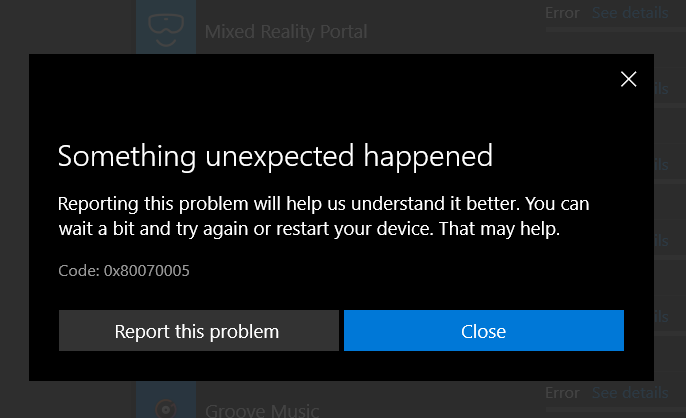
Before we jump into fixes, we need to understand what this error actually means. Error code 0x80070005 is essentially a Windows "Access Denied" error. In simple terms, Windows tried to perform an action but didn’t have the required permission.
Think of it like trying to open a secure file cabinet without the right key. The cabinet isn’t broken — you just don’t have clearance.
Now that we understand what it means, let’s explore why it happens.
Why Does Error Code 0x80070005 Occur?
Errors rarely appear without reason. And in this case, several common triggers can cause the issue.
1. Insufficient Administrative Permissions
First and most commonly, the system may not be running with administrator privileges. When elevated access is required but not granted, Windows blocks the action. Because of that, permission adjustments often solve the issue immediately.
2. Corrupted System Files
Over time, system files can become corrupted due to sudden shutdowns, malware, or interrupted updates. When Windows can’t properly read or modify these files, access errors appear.
3. Windows Update Component Corruption
If you’re encountering this error during updates, corrupted update services are a strong possibility.
Since updates rely on multiple background components, one malfunction can stop everything.
4. Antivirus or Firewall Interference
Security programs sometimes block legitimate system behavior. Ironically, software designed to protect your PC can accidentally restrict it.
5. Incorrect Folder or Registry Permissions
In some cases, specific folders or registry keys don’t grant your account the correct level of access. When that happens, Windows simply refuses to continue.
Now that we’ve covered the causes, let’s fix the problem properly.
How to Fix Error Code 0x80070005 (Step-by-Step Solutions)
To avoid confusion, follow these solutions in order. Start simple, then move toward more advanced fixes only if needed.
Method 1: Run the Program as Administrator
Since permission issues are the most common cause, this is the logical starting point.
Step 1: Close the program that triggered the error.
Step 2: Right-click its icon.
Step 3: Select Run as administrator.

Step 4: Click Yes when prompted.
Step 5: Retry the failed action.
If this doesn’t solve the issue, don’t worry — we’ll go deeper.
Method 2: Confirm Administrator Account Status
Even if you think you're an admin, it’s worth verifying.
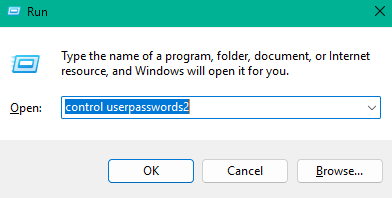
Step 1: Press Windows + R.
Step 2: Type control userpasswords2 and press Enter.
Step 3: Select your account.
Step 4: Click Properties.
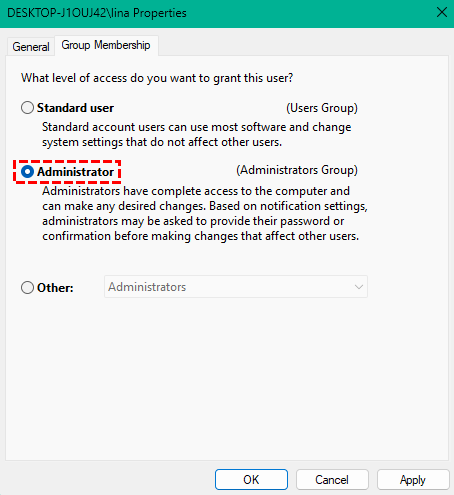
Step 5: Open the Group Membership tab.
Step 6: Ensure Administrator is selected.
Step 7: Restart your PC.
If the error still appears, the issue may involve corrupted files.
Method 3: Run System File Checker (SFC Scan)
Because damaged system files often cause access errors, this step is critical.
Step 1: Open Command Prompt as Administrator.
Step 2: Type: sfc /scannow.
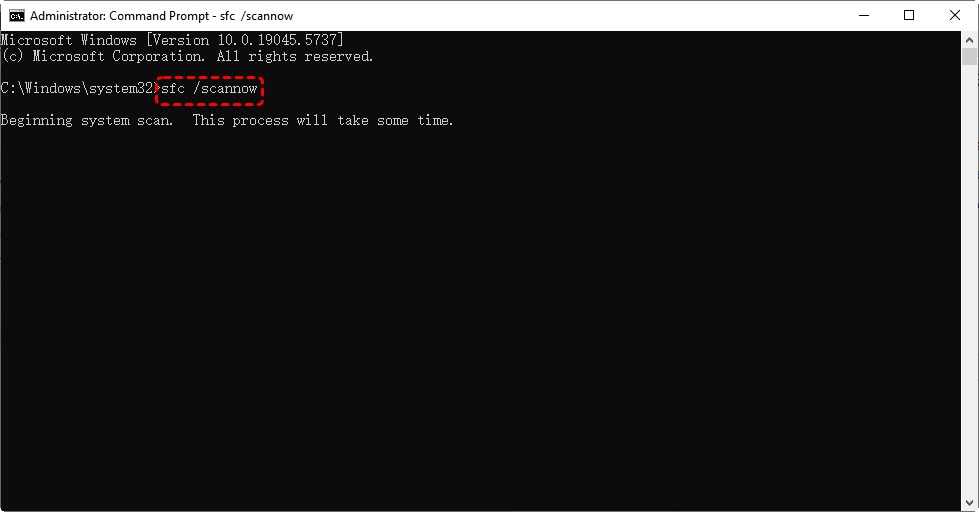
Step 3: Press Enter and wait for completion.
Step 4: Restart your computer.
If SFC detects and repairs issues, the error may disappear immediately. If not, we move to a deeper repair.
>> Look here if the SFC gets stuck.
Method 4: Run DISM Repair Tool
While SFC checks file integrity, DISM repairs the Windows system image itself.
Step 1: Open Command Prompt as Administrator.
Step 2: Type: DISM /Online /Cleanup-Image /RestoreHealth.
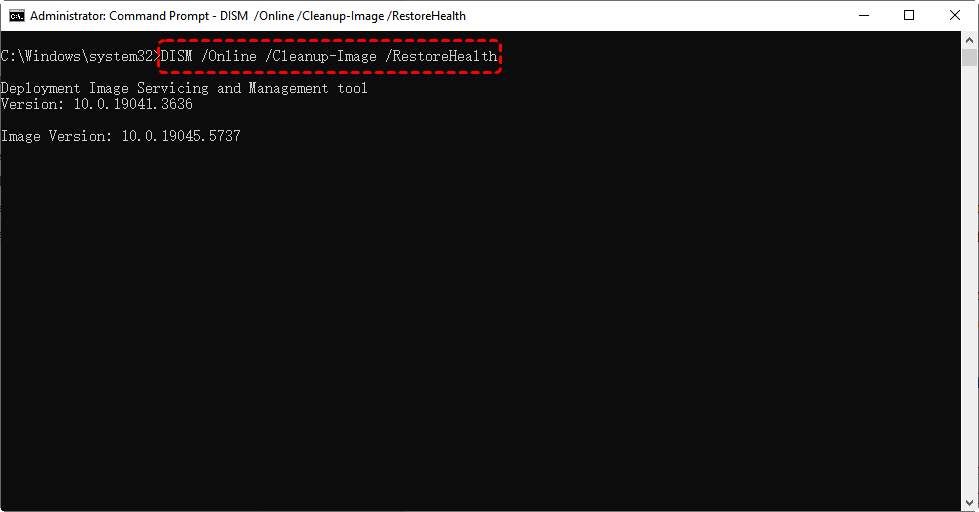
Step 3: Press Enter and wait patiently.
Step 4: Restart your PC.
If updates were failing, the problem may now be resolved. But what if the situation is worse?
>> Look here if the DISM gets stuck.
🔥Important: What If You Lose Data During Troubleshooting?
Before we move to more aggressive fixes like system resets, let’s talk about something important — data safety.
Sometimes users attempt system restores or resets to fix error code 0x80070005 and accidentally lose files in the process. If that happens, don’t panic. A professional recovery tool like MyRecover can help retrieve deleted or lost files from formatted, corrupted, or inaccessible drives.
 MyRecover
- Works on different devices – Hard drives, USBs, SD cards, SSDs.
- Fast scan option – Quickly finds recently deleted files.
- High success rate – Good chance of getting files back.
 100% Secure
Whether files were removed during a failed update, reset attempt, or permission correction, MyRecover scans deeply and restores recoverable data quickly. Of course, prevention is better — but it’s reassuring to know recovery options exist if something goes wrong.
Now, let’s continue with safe troubleshooting.
Method 5: Reset Windows Update Components
If the error occurs during Windows updates, resetting update services often clears hidden corruption.
Step 1: Open Command Prompt as Administrator.
Step 2: Stop update services:
net stop wuauserv
net stop bits
net stop cryptsvc
net stop msiserver
Step 3: Restart them:
net start wuauserv
net start bits
net start cryptsvc
net start msiserver
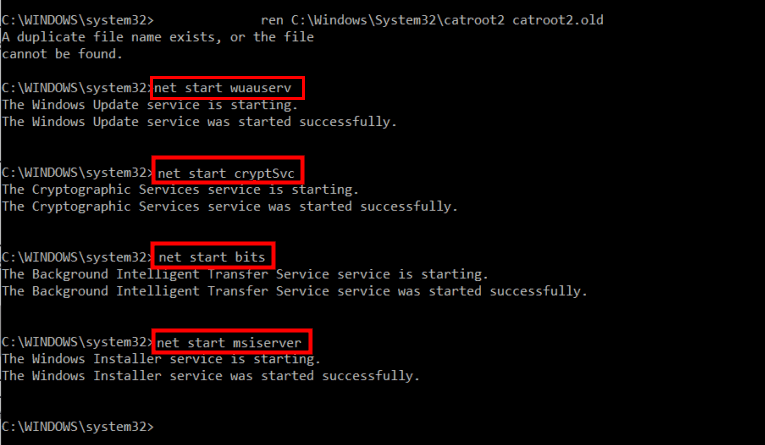
Step 4: Restart your computer. Try updating again.
If the issue persists, let’s check for software interference.
Method 6: Temporarily Disable Antivirus Software
Since antivirus programs sometimes block legitimate processes, temporarily disabling them can help isolate the issue.
Step 1: Locate your antivirus in the system tray.
Step 2: Right-click and select Disable.
Step 3: Retry the action.
Step 4: Re-enable antivirus immediately after testing.
If the problem disappears, adjust antivirus settings rather than leaving protection off. Still stuck? Let’s move to advanced troubleshooting.
Method 7: Perform a Clean Boot
A clean boot starts Windows with minimal drivers and startup programs.
Step 1: Press Windows + R.
Step 2: Type msconfig.
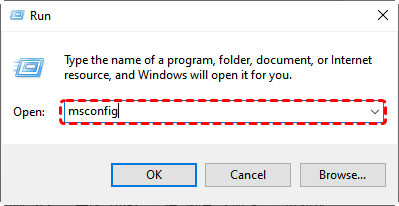
Step 3: Go to the Services tab.
Step 4: Check Hide all Microsoft services.
Step 5: Click Disable All.
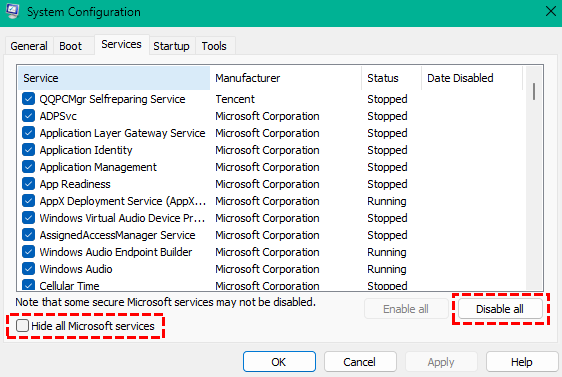
Step 6: Disable startup programs in Task Manager.
Step 7: Restart your PC.
If the error disappears, a third-party application was interfering.
Method 8: Reset Windows (Last Resort)
If all else fails, resetting Windows may be necessary.
Step 1: Open Settings.
Step 2: Go to System > Recovery.
Step 3: Click Reset this PC.
Step 4: Choose Keep my files.
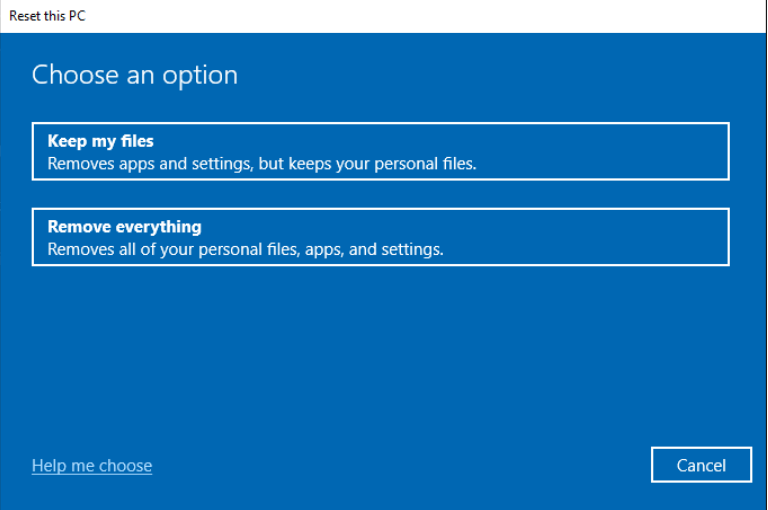
Step 5: Follow the on-screen instructions.
Again, only choose this after trying all other solutions. However, there's no need to worry; data lost after resetting Windows can be recovered using MyRecover.
How to Prevent Error Code 0x80070005 in the Future
Now that you’ve resolved the issue, let’s keep it from returning.
- Keep Windows updated.
- Avoid using multiple conflicting admin accounts.
- Run monthly SFC scans.
- Configure antivirus properly.
- Avoid unnecessary registry modifications.
Just like regular maintenance prevents car breakdowns, system maintenance prevents access errors.
Conclusion
At its core, error code 0x80070005 is a permission conflict — not a system death sentence. By following a structured approach — from simple admin fixes to deeper system repairs — you can resolve the problem confidently and safely.
And if troubleshooting ever results in unexpected data loss, tools like MyRecover provide an added safety net. Stay calm. Stay systematic. And remember — most Windows errors are far less dramatic than they look.

Stay Updated With Our
Latest Tips
Add us as a preferred source on Google to never miss helpful guides.
 Add as preferred source >>