 MyRecover



Fixed: Error Code 0x80072F8F in Windows 11, 10, 8, 7
Error code 0x80072F8F commonly occurs on Windows 11, 10, 8, and 7 when system security settings, SSL/TLS protocols, or date and time configurations are incorrect. This guide explains the main causes of error code 0x80072F8F and provides practical solutions to fix it quickly and safely.

By Emma / Updated on January 13, 2026


About Error Code 0x80072F8F
Error code 0x80072f8f is a Windows security-related issue that occurs when the system fails to establish a secure connection with Microsoft servers. As a result, Windows cannot properly verify or download required files, leading to update or upgrade failures. This error typically appears in the following 3 situations:
- During Windows Update, preventing updates from being downloaded or installed.
- During Windows activation, stopping the system from verifying the license or activating successfully.
- When using the Windows Media Creation Tool, causing the installation or upgrade process to fail.
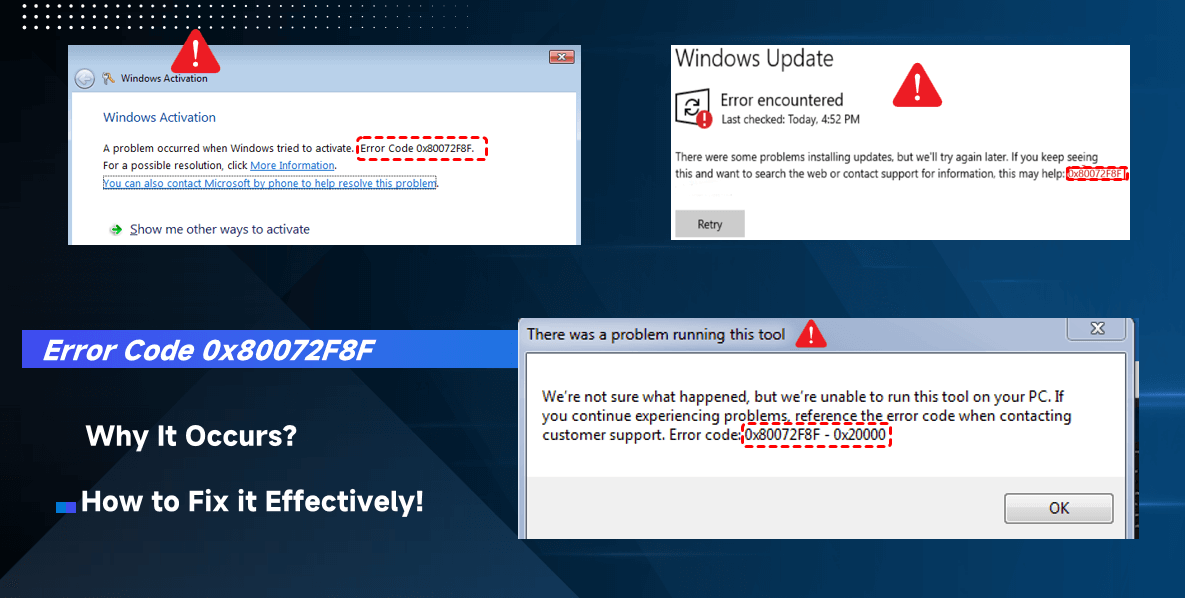
Understanding when this error occurs can help you identify the root cause and apply the correct solution more effectively.
How to Fix Error Code 0x80072F8F in Windows Computer?
Since error code 0x80072F8F is related to secure connection and certificate validation failures, the troubleshooting methods vary slightly depending on when the error appears. Follow the solutions below based on your specific situation.
Situation 1: Fix Error Code 0x80072F8F During Windows Update
When this error occurs during Windows Update, it usually indicates incorrect time settings, disabled security protocols, or damaged system files.
A. Correct Date and Time Settings
Incorrect date, time, or time zone settings can cause Windows to fail SSL/TLS certificate validation, which often leads to error code 0x80072F8F. Making sure your system clock is accurate is one of the simplest and most effective fixes.
Step 1. Press "Win + I" to open Settings.Go to "Time & Language → Date & Time".
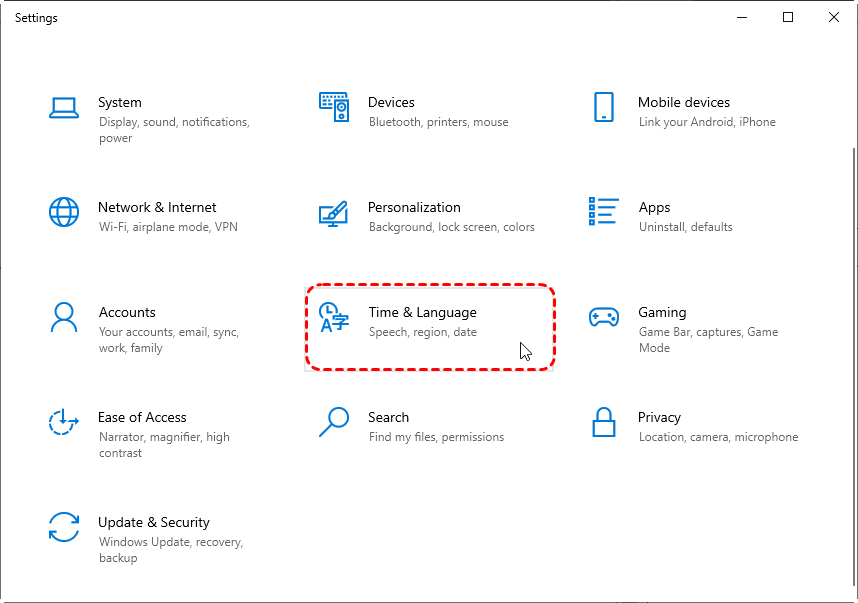
Step 2. Turn on "Set time automatically"and "Set time zone automatically".
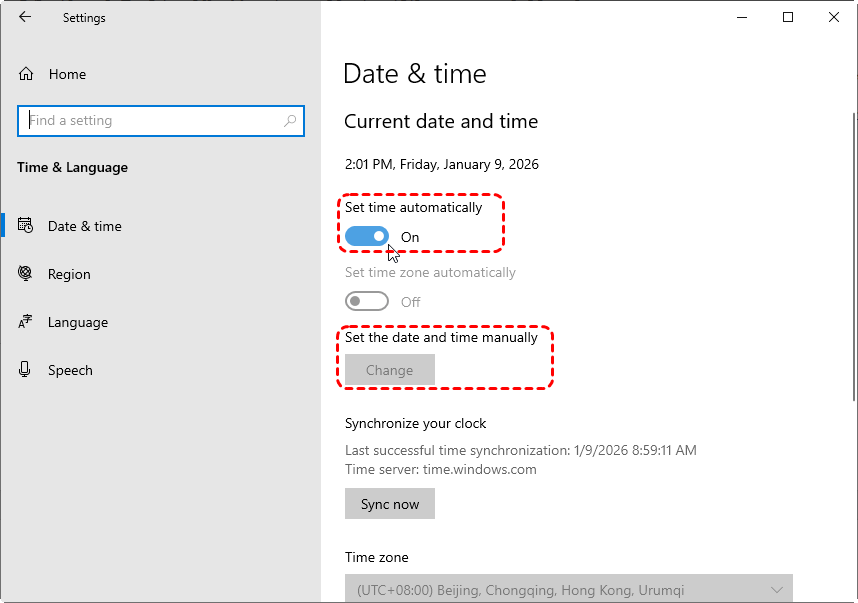
If the time zone is incorrect, manually select the correct one from the drop-down list.Scroll down and click "Sync now"under "Synchronize your clock".
B. Enable TLS 1.2 and SSL Protocols
Windows relies on TLS (Transport Layer Security) and SSL (Secure Sockets Layer) protocols to establish secure connections with Microsoft servers. If these protocols are disabled or outdated, you may also encounter error code 0x80072F8F. Enabling the correct protocols ensures secure communication and certificate validation.
Step 1. Press "Win + R", type "inetcpl.cpl", and press Enter to open "Internet Properties".
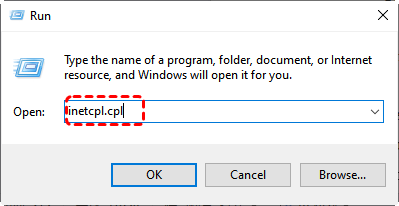
Step 2. Go to the "Advanced" tab. Scroll down to the "Security" section.
Step 3. Ensure the following options are checked:
- Use SSL 3.0 (optional, for legacy systems)
- Use TLS 1.0 (optional, for older updates)
- Use TLS 1.1 (if available)
- Use TLS 1.2 (must be enabled)
Step 4. Click "Apply", then "OK".
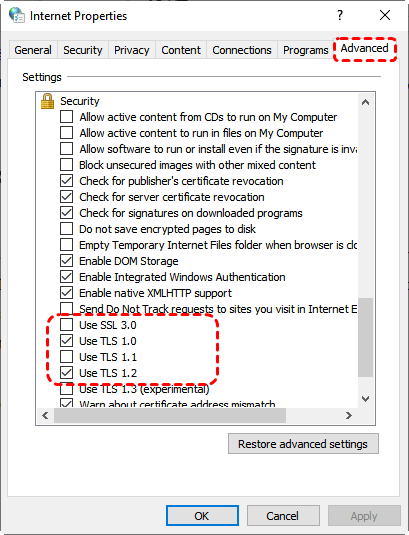
Restart your computer and retry Windows Update or activation.
C. Run Windows Update Troubleshooter
The Windows Update Troubleshooter is a built-in tool that can automatically detect and fix common update-related issues, including error 0x80072F8F. Running it is a quick way to resolve problems caused by misconfigurations, corrupted update components, or network issues.
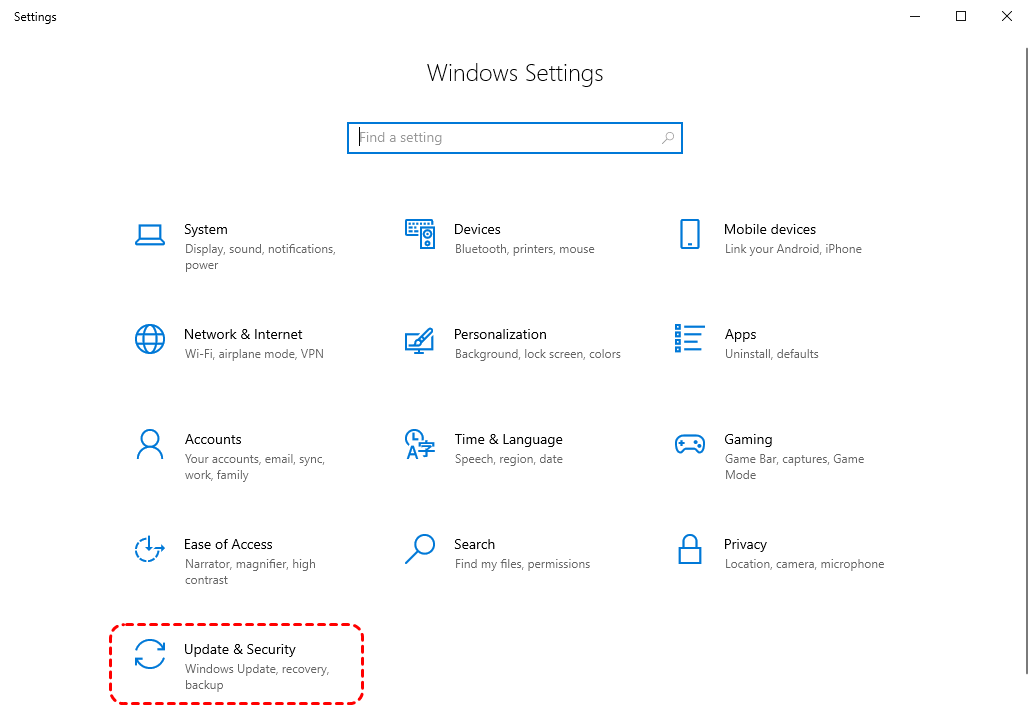
Step 1. Press "Win + I"to open "Settings".Go to "Update & Security".
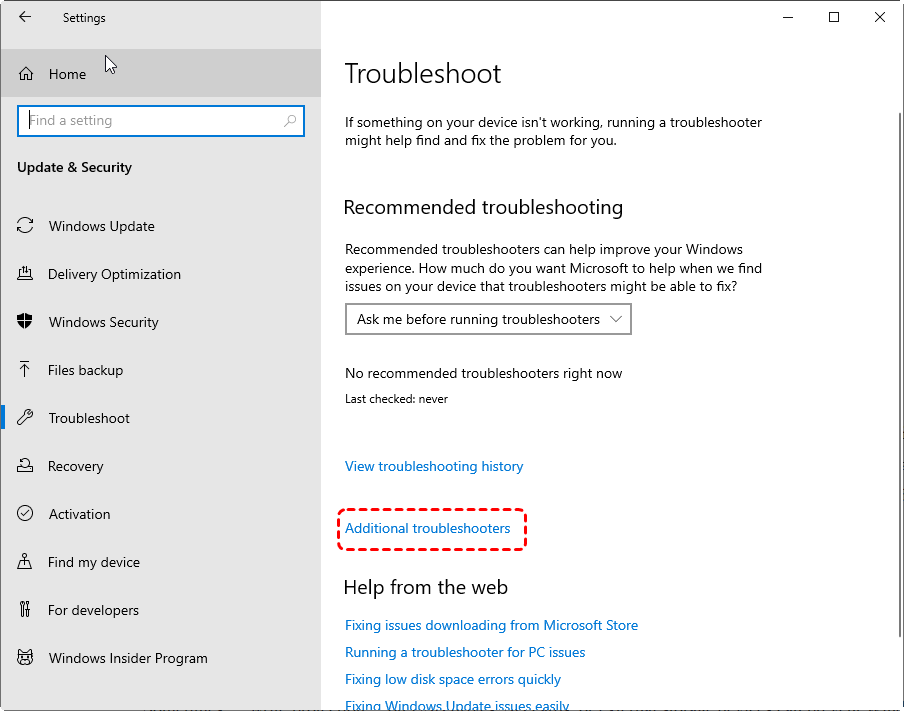
Step 2. Access to"Troubleshoot → Additional troubleshooters".
Step 3. Locate "Windows Update" and click "Run the Troubleshooter".
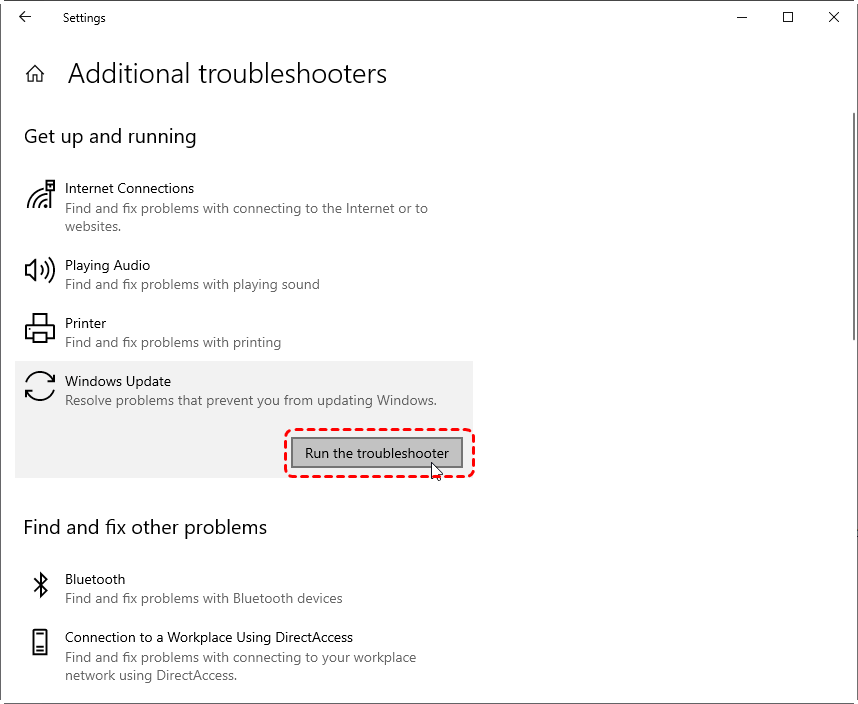
The troubleshooter will scan your system for problems. Follow the on-screen instructions to apply suggested fixes.Once completed, restart your computer.
D. Repair System Files
Corrupted or missing system files can prevent Windows from establishing a secure connection with Microsoft servers, leading to error code 0x80072F8F. Using SFC (System File Checker) and DISM (Deployment Image Servicing and Management) can help repair these files and restore system stability.
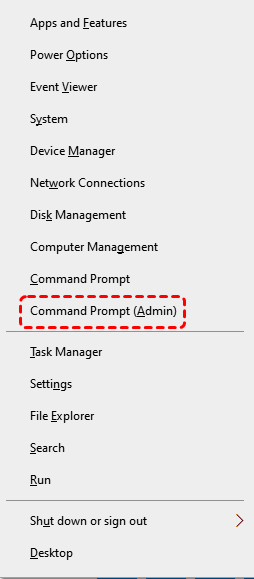
Step 1. Press "Win + X" and select "Windows Terminal (Admin) or Command Prompt (Admin)".
Step 2. Run System File Checker (SFC) via the command: sfc /scannow and press Enter:
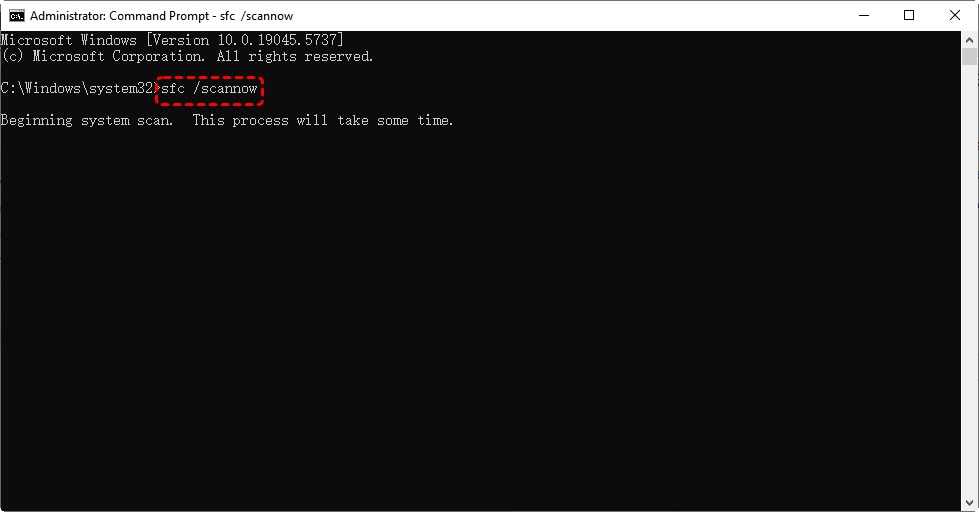
Wait for the scan to complete. SFC will automatically repair corrupted system files.
Step 3. Run DISM to fix the system image:
Type the following commands one by one and press Enter after each:
DISM /Online /Cleanup-Image /CheckHealth
DISM /Online /Cleanup-Image /ScanHealth
DISM /Online /Cleanup-Image /RestoreHealth
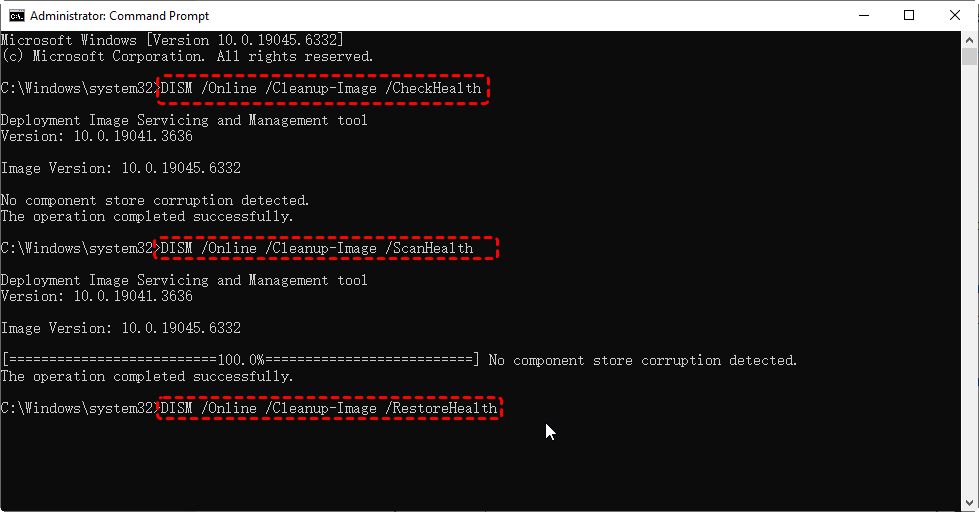
These commands check for corruption and restore any damaged system files using Windows Update as a source.Once the process is complete, restart your computerand retry the action that previously triggered error 0x80072F8F (Windows Update, activation, or Media Creation Tool).
Situation 2: Fix Error Code 0x80072F8F During Windows Activation
If the error appears while activating Windows, try the following solutions, apart from synchronizing System Time with Internet Time Server and running the Troubleshooter (refer to the above section.)
A. Verify Internet Connection and Proxy Settings
Sometimes, error code 0x80072F8F occurs because Windows cannot communicate securely with Microsoft servers due to network issues or proxy/VPN interference. Verifying your connection and adjusting settings can resolve the problem.
Check Internet Connection: Ensure your PC is connected to a stable network.You can directly open a browser and try visiting a secure site like https://www.microsoft.com to confirm connectivity.
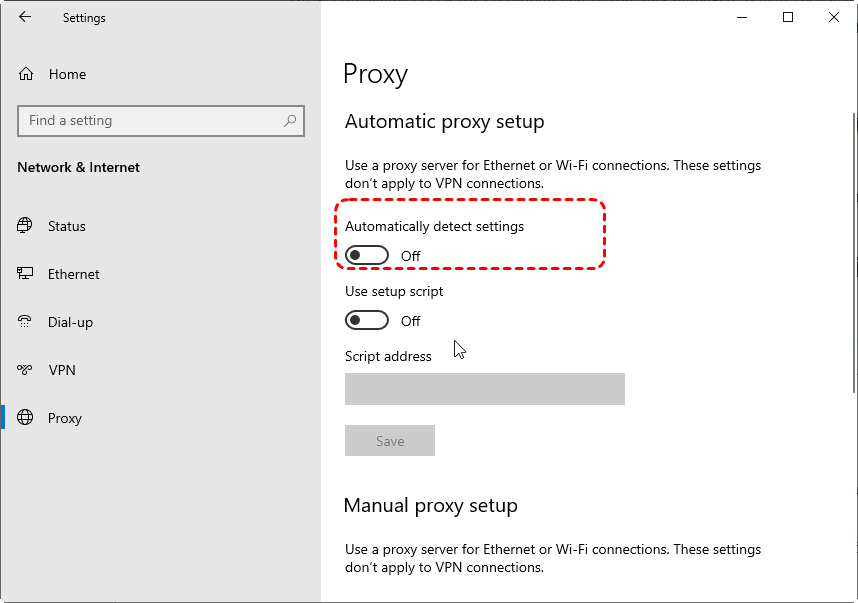
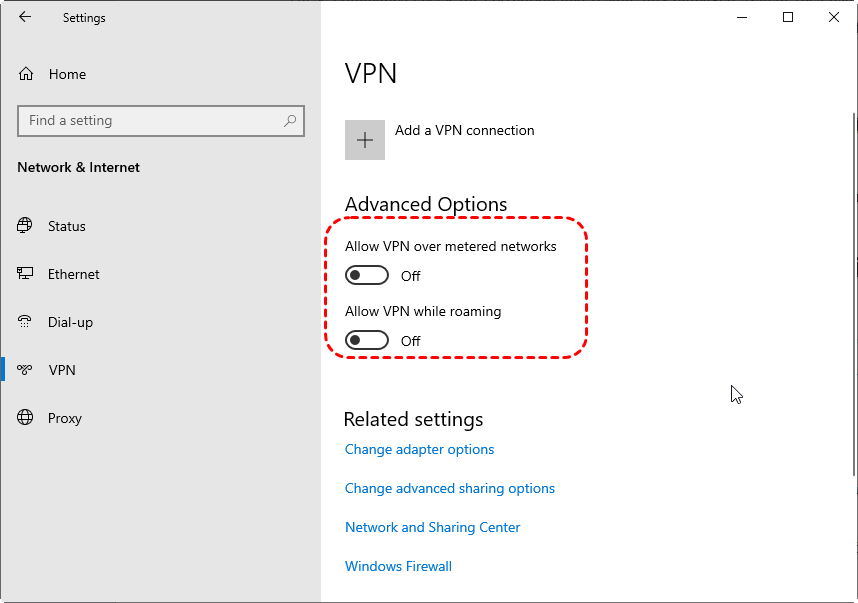
Disable VPNs or Proxy Servers: Press "Win + I" to open "Settings → Network & Internet → Proxy".Turn off Use a proxy server if enabled.If you are using a VPN, disconnect it temporarily.
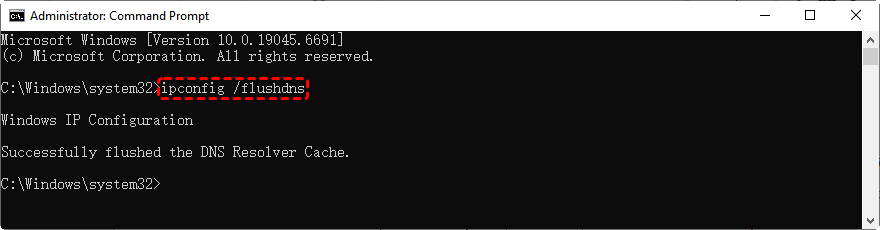
Flush DNS Cache: Open Command Prompt (Admin).Type the command and press Enter: ipconfig /flushdns
B. Install the Latest Root Certificates
Outdated or missing root certificates can block Windows from verifying secure connections, triggering error code 0x80072F8F. Updating root certificates ensures Windows can trust Microsoft servers.
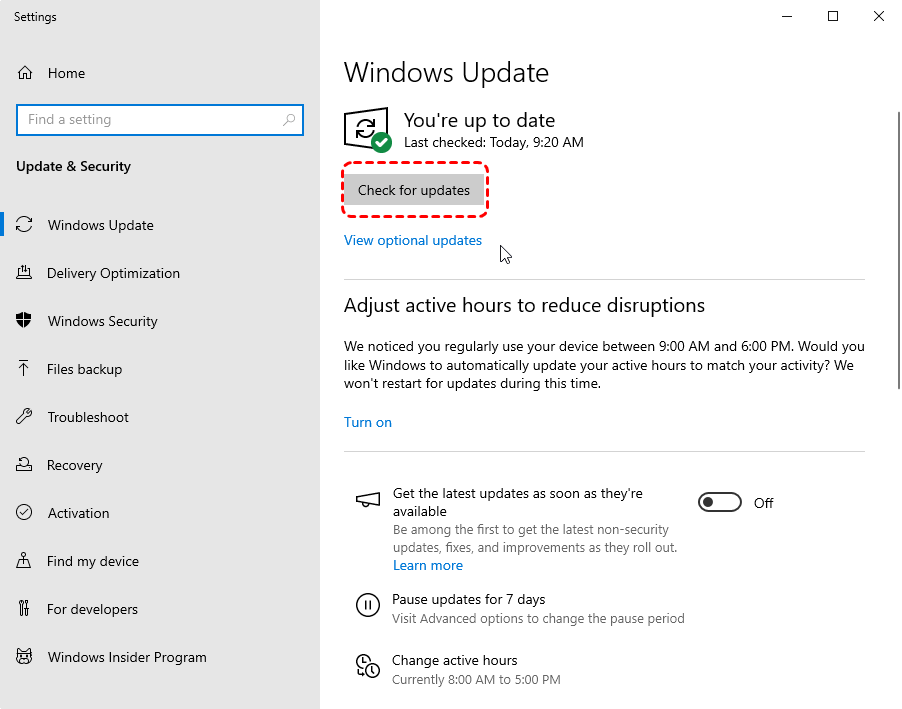
Check for Windows Updates: Press "Win + I → Update & Security → Windows Update → Check for updates".Install all pending updates, especially security and root certificate updates.
Manually Update Root Certificates (if needed):
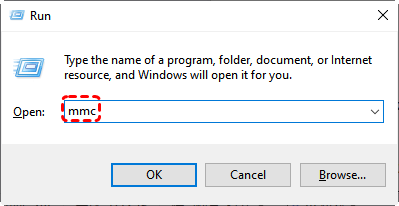
- Open Microsoft Management Console (MMC): Press "Win + R", type "mmc", and press Enter.
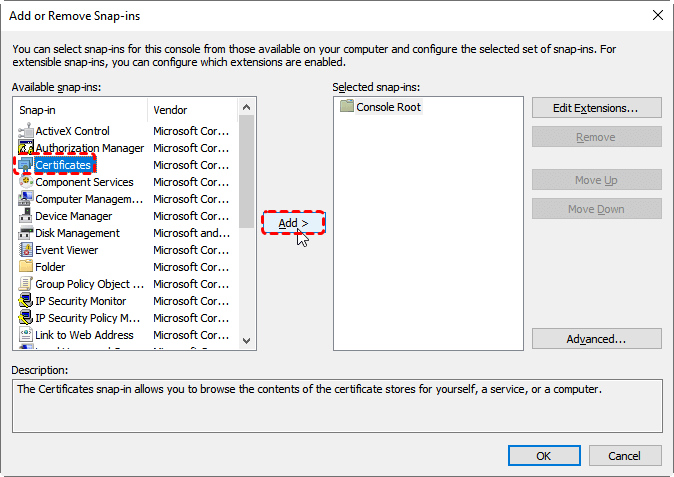
- Go to File → Add/Remove Snap-in → Certificates → Add → Computer account → Local computer → Finish → OK.
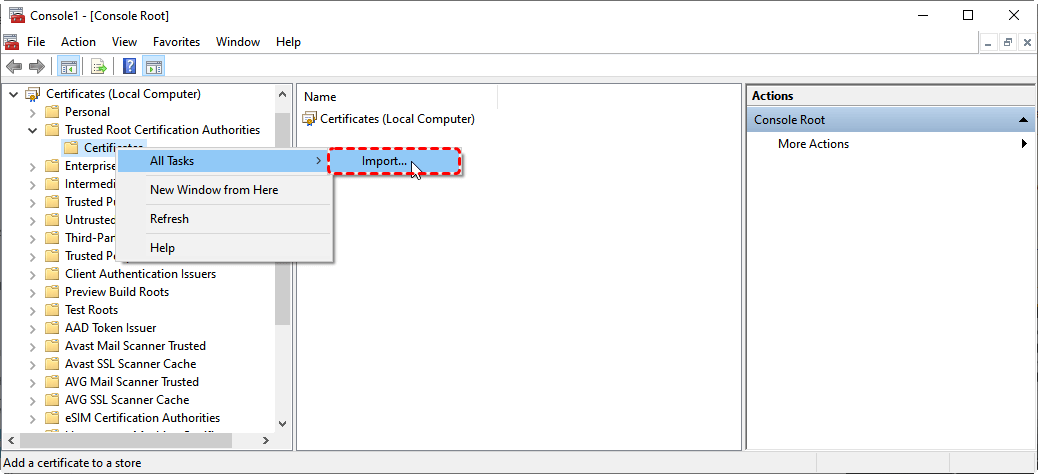
- Expand Trusted Root Certification Authorities → Certificates. Right-clickit→ "All Tasks → Import", then follow the wizard to import any updated root certificates downloaded from Microsoft.
After updating, reboot to apply the changes.
Situation 3: Fix Error Code 0x80072F8F When Using Windows Media Creation Tool
When using the Media Creation Tool, this error often results from outdated security components or blocked secure connections.
A. Enable TLS 1.2 in Internet Options
The Media Creation Tool relies on secure HTTPS connections, so TLS 1.2 must be enabled.Steps are the same as those in Situation 1 for enabling TLS/SSL protocols.
B. Temporarily Disable Antivirus or Firewall
Security software can sometimes block secure connections needed by the Media Creation Tool.Turn off Windows Defender Firewall:
Open Control Panel → System and Security → Windows Defender Firewall → Turn Windows Defender Firewall on or off. Select Turn off Windows Defender Firewall (not recommended) for both private and public networks.
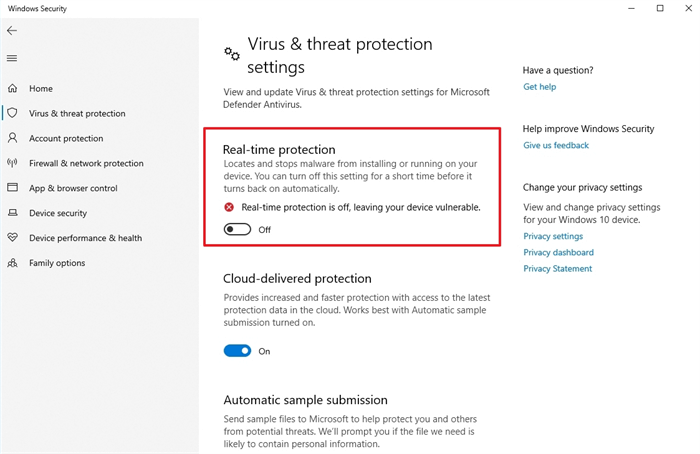
Run the Media Creation Tool again.After the process completes, re-enable antivirus and firewall to keep your system protected.
C. Run the Tool as Administrator
Right-click the Media Creation Tool and select Run as administrator to ensure sufficient permissions.
D. Use an Offline ISO Method
If the Media Creation Tool still fails after enabling TLS 1.2 and temporarily disabling antivirus/firewall, you can bypass the tool entirely by using an offline ISO file:
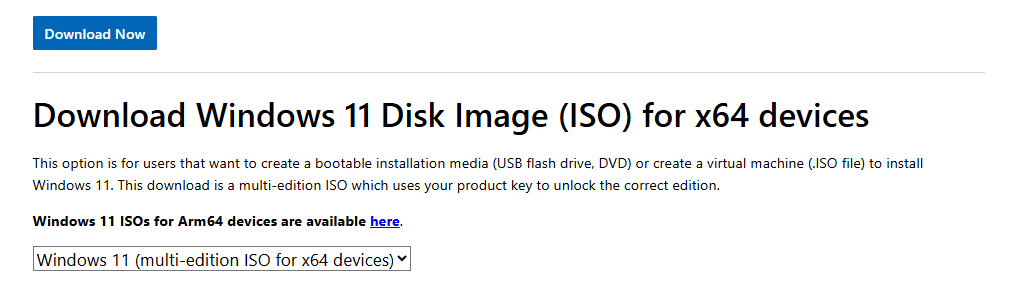
Step 1. Visit the official Microsoft Download Windows page. Download the appropriate Windows ISO for your edition and architecture (32-bit or 64-bit).
Step 2. Once downloaded, mount the ISO by right-clicking the file and selecting "Mount".
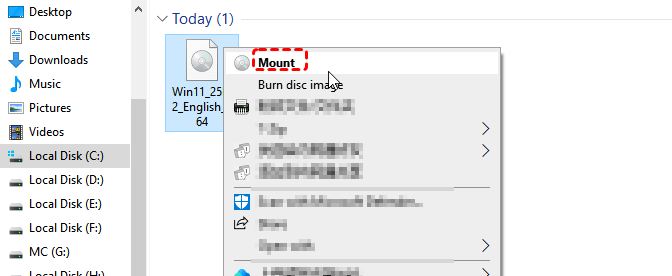
Step 3. Open the mounted drive and run setup.exe to start the installation or upgrade.Follow the on-screen instructions to complete the process without requiring the Media Creation Tool.
Final Tip
Regardless of the situation, keeping Windows updated, ensuring correct system time, and maintaining healthy system files are essential steps to prevent error code 0x80072F8F from occurring again. By applying the solution that matches your scenario, you can restore secure connections and complete Windows updates, activation, or installations successfully.
If you lost precious data during the error troubleshooting process, MyRecover can be an excellent choice to recover data without any backup.
 MyRecover
- 🌟Recover Without Backup: Restore lost files even if no Windows backup exists.
- 🌟High Success Rate: AI-powered file recognition and recovery algorithms ensure easy use and zero file omission.
- 🌟Wide File Support (1000+): Recover photos, documents, videos, audio, archives, and more.
- 🌟Supports Multiple Devices (500+): Works on HDDs, SSDs, USB drives, SD cards, cameras, and other storage devices.
- 🌟Covers 500+ Data Loss Scenarios: Handles accidental deletion, formatting, system crashes, virus attacks, emptied Recycle Bin, partition loss, and more.
 100% Secure

Stay Updated With Our
Latest Tips
Add us as a preferred source on Google to never miss helpful guides.
 Add as preferred source >>