 MyRecover



How to Recover Data from RAW File System Drive in 2 Ways & 5 Ways to Fix
Are you facing issues with a RAW file system? Discover step-by-step methods to recover data from a RAW drive or file system quickly and safely. You can also learn how to fix RAW drive without losing data.

By Delores / Updated on August 6, 2026


Can I Recover Data from a RAW File System?
How Do I Recover From a RAW File System?
When the last Microsoft updates were applied, something did not go right. Windows provided the RESTORE Screen and proceeded to restore my computer (to some extent). Everything seemed okay except for 1of my 4 External Hard Drives. This drive was unreadable.
I used DISKPART to find that the file system was changed from GPT to RAW, which makes it unrecognizable to Windows 11. The hard drive contained a significant number of Videos and my backup files. My other external drives also contain videos, so I have to wonder if the Backup files caused the issue. They were created using Seagate's Toolkit, as I have no desire to put my data on Microsoft's Cloud.
I am wondering if there is any way to get this drive working WITHOUT losing all the resident data and without buying a 3rd party product. I think I've read enough to know I can initialize this drive to its original state using DISKPART, but from what I read, I would lose everything. I would appreciate any advice. Thank You.
- Question from learn.microsoft.com
Windows says your drive needs to be formatted, Disk Management labels it RAW, and years of files are suddenly out of reach. Don't worry, you will learn everything about recovering data from a RAW file system drive.
What A RAW File System Actually Means
RAW is not a file system. It is the label Windows applies when it looks at a volume and cannot identify any file system (NTFS, FAT32, exFAT, and ReFS) there. NTFS, FAT32, exFAT, and ReFS all begin with a boot sector that describes how the volume is laid out — cluster size, the location of the Master File Table, the total sector count. Windows reads that header to know how to interpret everything that follows.
When that header is unreadable, damaged, or simply not what Windows expected, the volume is reported as RAW. Crucially, the rest of the volume is untouched. Your photos, documents, and videos are still sitting in the same sectors they were in yesterday. Windows just lost the map.
| Layer | Healthy NTFS volume | RAW volume |
|---|---|---|
| Boot sector | Readable, describes volume geometry | Damaged, zeroed or unrecognised |
| Master File Table (MFT) | Indexes every file and folder | Often intact but unreachable without the boot sector |
| File data in clusters | Accessible via the MFT | Still present and unchanged |
| What Windows shows | Drive letter, used and free space | RAW, frequently 0 bytes, prompts to format |
This is why recovery works. Software does not need Windows to understand the volume — it reads the sectors directly, looks for a surviving copy of the MFT or the backup boot sector, and rebuilds the file list itself. That distinction also explains the single most important rule in this guide: anything that writes to the volume, including formatting, is working against you.
If your hard drive became RAW, you might get the following errors:
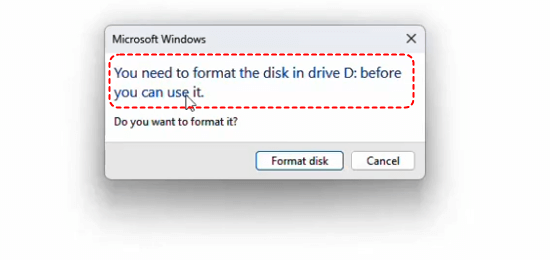
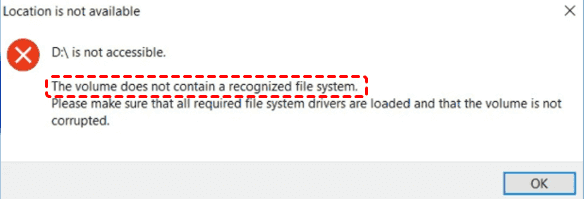
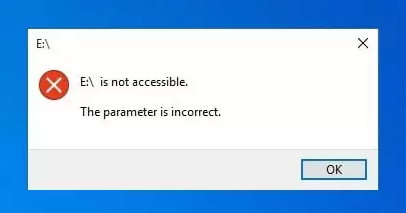
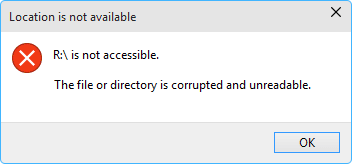
- "The type of the file system is RAW. CHKDSK is not available for RAW drives."
All five point to the same underlying condition. None of them means the data has been deleted.
How to Recover Data from a RAW File System? Short Answer
How to recover data from a RAW file system? Yes, data on a RAW file system is usually recoverable — but only if you do things in the right order. Recover your files first using recovery software, and repair or format the drive second. Doing it the other way round is what turns a routine recovery into a permanent loss.
Do not run chkdsk and do not click Format. CHKDSK cannot process a RAW volume at all, and formatting discards the very metadata that lets recovery software restore your original filenames and folders.
Stop Before You Do Anything Else
Every write to the affected drive can overwrite recoverable data. So, do this:
- Close any backup, sync, antivirus, or indexing tool that might be touching it.
- If it is an external drive, unplug it until you are ready to scan.
- If it is your Windows system drive, shut the computer down and connect the disk to a second machine.
Don't do this:
- Do not format, even though Windows keeps asking. This is the number one cause of avoidable permanent loss.
- Do not run chkdsk /f. On a RAW volume it simply refuses; on a marginally readable one it can rewrite metadata and destroy recoverable structures.
- Do not run diskpart clean. It wipes the partition table.
- Do not install recovery software onto the affected drive. The installer alone can overwrite the files you are trying to save.
- Do not keep power-cycling a drive that clicks. Each spin-up risks further head damage.
Diagnose Why Your Drive Went RAW
Open Disk Management (press Win + X, then choose Disk Management) and compare what you see against this table.
| What you observe | Most likely cause | Correct next action |
|---|---|---|
| Volume shows the correct capacity but no file system and no drive letter | Missing drive-letter assignment, or a boot sector problem | Try assigning a letter first. |
| Volume shows 0 bytes or the disk shows as Unallocated | Partition table (MBR/GPT) damage | Recover data by scanning the whole physical disk, then rebuild the partition table using TestDisk. |
| Drive was previously used on a Mac or Linux machine | APFS, HFS+, ext4 or Btrfs — Windows cannot read these natively | Nothing is broken. Read it on the original OS, or use a third-party file-system driver. Do not format. |
| Drive was encrypted, or you see a padlock icon in File Explorer | BitLocker metadata unreadable on this PC | Run manage-bde -status in an elevated prompt. Unlock with your password or 48-digit recovery key before doing anything else. |
| Drive clicks, beeps or grinds; it disappears and reappears | Mechanical or head failure | Power it off now. Software scanning can accelerate a mechanical failure. Call a professional. |
| External drive; works intermittently or on some ports only | Failing USB bridge, enclosure, cable or insufficient bus power | Try a different cable, a rear-panel USB port and another PC. If possible, remove the bare drive and connect it directly via SATA. |
| It went RAW right after a power cut, forced shutdown or interrupted transfer | Classic file-system corruption — the most common cause by far | Recover files, then format to NTFS and copy them back. |
| It became RAW again shortly after you last formatted it | Growing bad sectors or a dying controller | Recover everything now and retire the drive. Recurrence is a hardware symptom, not a software one. |
Tip: This is the single most expensive mistake we see. A BitLocker-protected volume can present as RAW on a machine that cannot read its encryption header. If you format it, the encryption metadata is destroyed, and the data becomes cryptographically unrecoverable — no software and no lab can bring it back. Always check manage-bde -status before touching an unexpectedly RAW drive.
Common Causes of the RAW Drive Issue
The RAW drive issue occurs when the system fails to recognize or access the drive properly. This can be caused by several factors, which include:
- File System Corruption: Sudden power loss, improper ejection of drives, or system crashes during read/write operations.Malware or viruses targeting partition tables or file system structures.
- Partition Table Damage: Corruption in the Master Boot Record (MBR) or GUID Partition Table (GPT) due to disk errors or misconfigured partitioning tools.
- Disk errors or bad sectors: Bad sectors in the file system area can cause a hard drive to malfunction and mark the file system as RAW.
- Human Error: Accidental deletion of partitions or improper use of disk management tools (e.g., Diskpart, GParted).
- Unformatted Drives: New drives or freshly created partitions that have not been formatted with a file system.
- You are viewing a Mac or Linux hard drive on a Windows computer.
- Failing USB bridge, enclosure, cable, or insufficient bus power.
How to Recover Data from RAW File System? 2 Ways
Recovery always comes before repair. Once your files are safely on another disk, every repair option below becomes low-stakes — and you can format the drive if nothing else works.
Way 1. Recover Files from RAW File System via MyRecover (Recommended)
When your hard hard shows RAW, it is important to take immediate action to recover your data from the RAW drive. To recover files from RAW drive (either an internal or external hard drive), the most effective way is to employ a professional data recovery tool. MyRecover is our premier recommendation for the following advantages:
- High Success Rate with Advanced Algorithms. MyRecover employs cutting-edge algorithms to scan RAW drives thoroughly, identifying recoverable files even in complex scenarios. Its deep-scan technology digs into the drive’s sectors, ensuring fragmented or hidden files aren’t overlooked.
- Multi-Scenario Data Recovery: MyRecover is designed for a wide range of data recovery scenarios, from accidentally deleted files, formatted drives, corrupted drives, system crashes, virus attacks, and so on.
- Unlimited File Formats: It can recover various file formats like images, videos, audio, documents, archives, and more, ensuring that no matter your data type, it can be restored efficiently and reliably.
- Preview Before Recovery: Before recovery, preview files (photos, documents, videos, etc.) to verify their integrity. This selective approach saves time and storage space, allowing you to prioritize critical data.
- Wide File System & Device Compatibility: Whether your RAW drive is an internal HDD, external SSD, USB, or memory card, MyRecover supports NTFS, FAT32, exFAT, and more. It also works seamlessly across Windows environments.
It can read a volume Windows refuses to open, reconstruct original file paths when the MFT is partially intact, preview files before you commit, and locate volumes that have vanished from Disk Management entirely.
4 Steps to Recover Data from RAW Drive with MyRecover
1. Download and install MyRecover on a healthy drive (not the RAW one). Then launch MyRecover. Connect your RAW hard drive if it's external.
 100% Secure
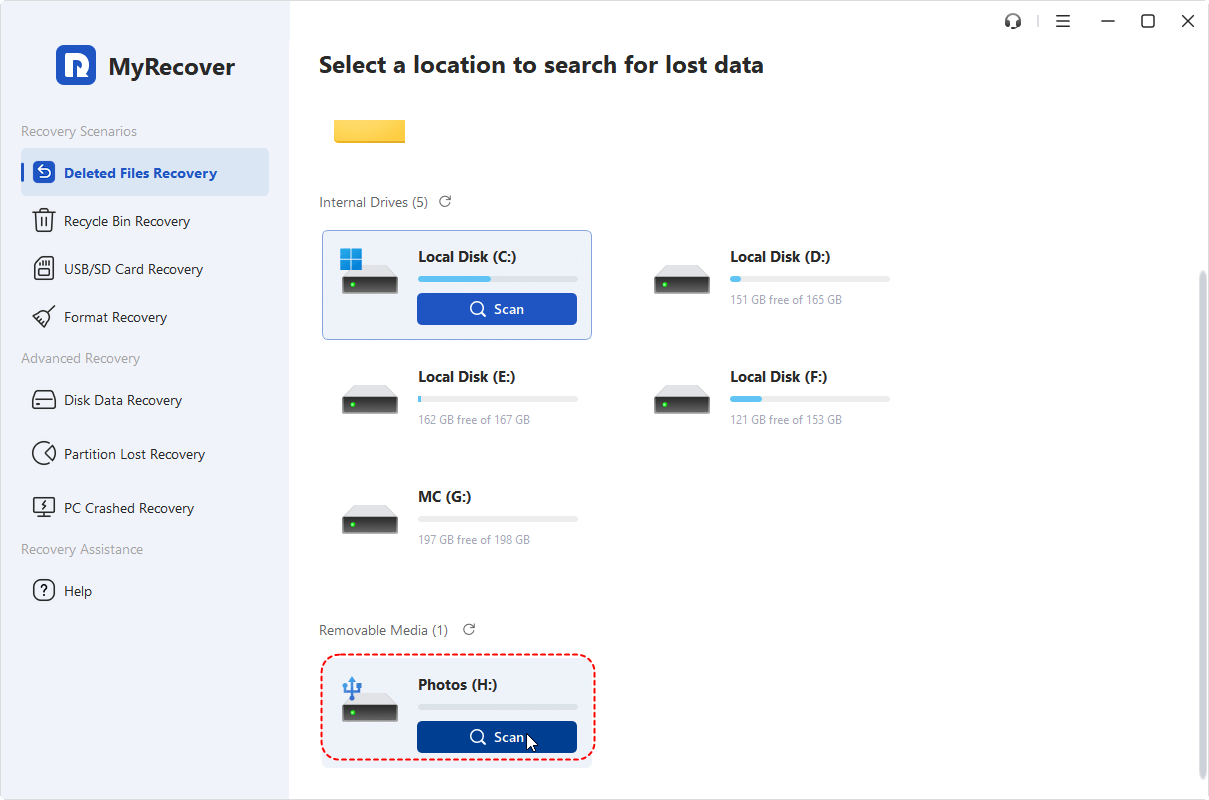
2. Click Disk Data Recovery, hover over the RAW Drive from the software’s interface, and hit Scan. It will run a quick scan to find your recently deleted files. Or you can perform a deep scan to find more missing files.
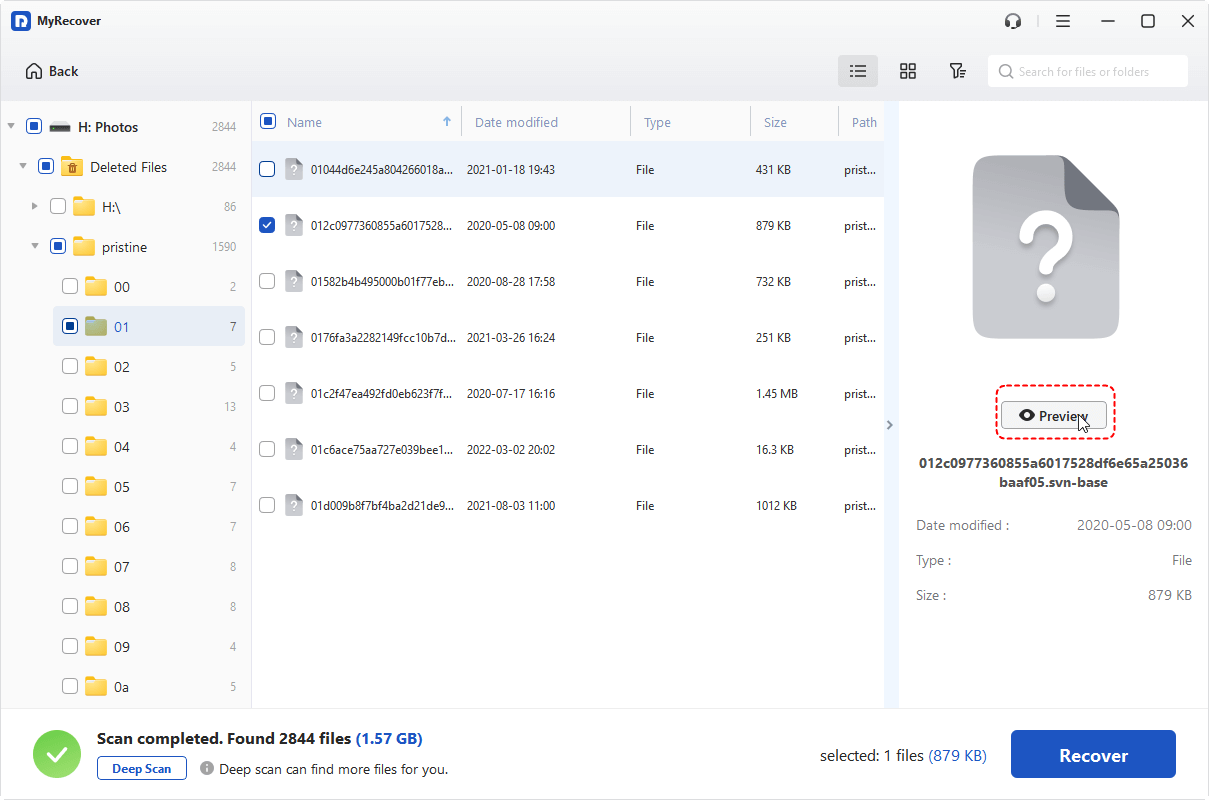
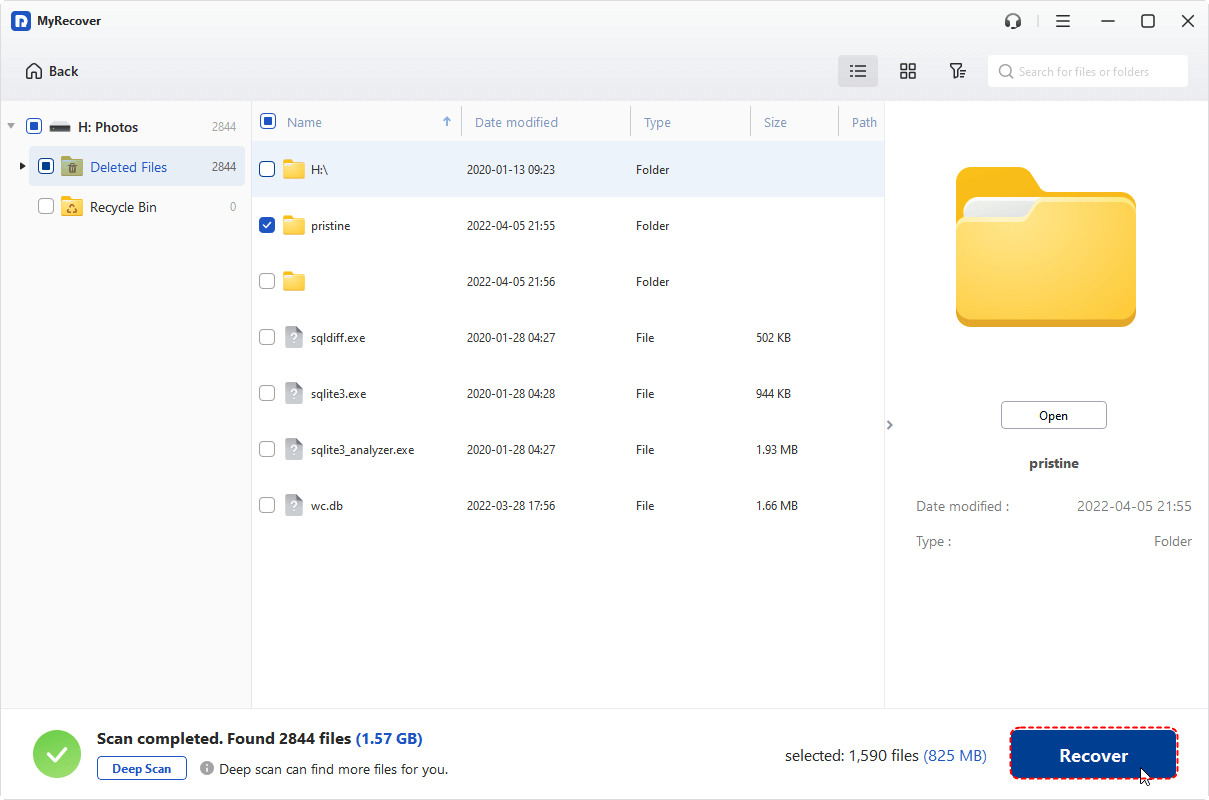
3. Preview and select the files you need from the RAW hard drive, then hit Recover.
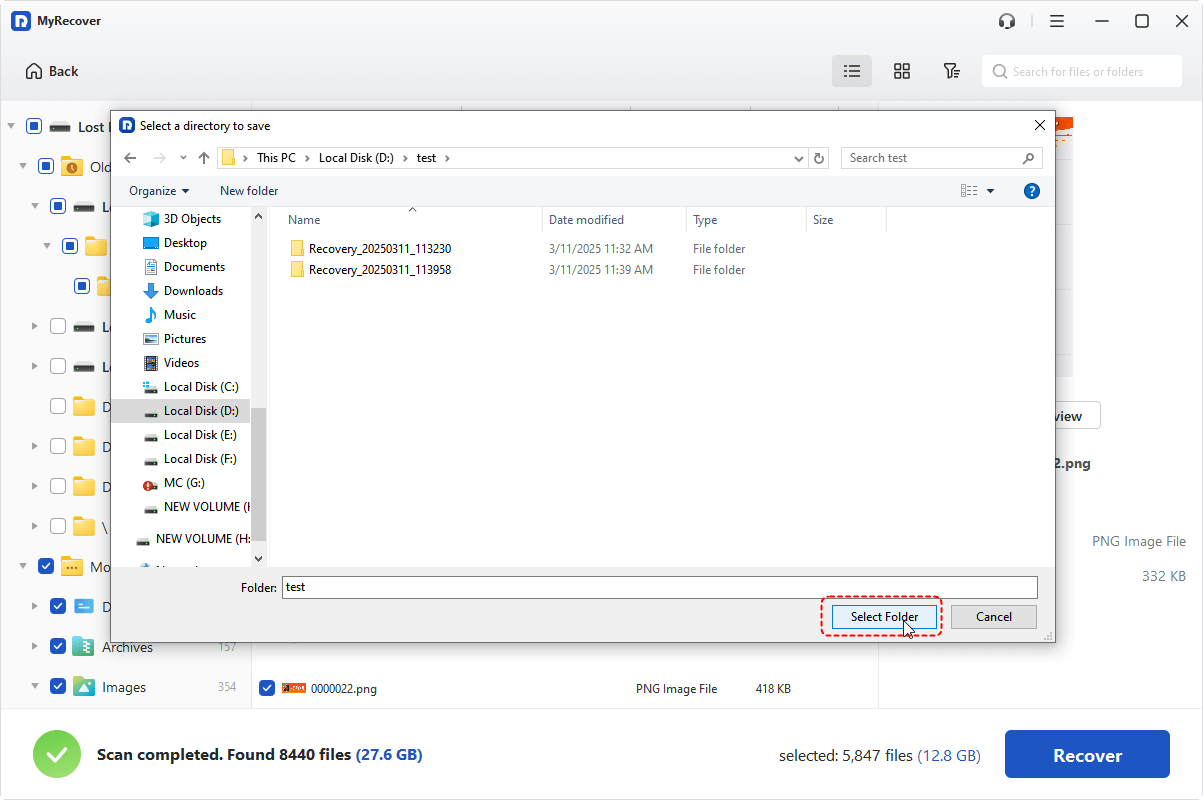
4. Choose another healthy drive to save the recovered files.
- Notes:✎...
- To recover unlimited files, you can upgrade to MyRecover Technician to enjoy. After upgrading, you can also enjoy all premium features, like recovering files from a crashed computer, recovering files from a corrupted SD card, etc.
- Once scanned, your missing files will be sorted by file type and path. You can also filter files by file name, file size, and modified date, etc.
- If you cannot see your RAW hard drive in the disk list, you can turn to "Partition Lost Recovery” in the "Advanced Recovery" section, which can recover data from deleted partitions and other lost partitions.
MyRecover offers a free trial to scan and preview recoverable files, allowing users to evaluate success rates before purchasing a license—a budget-friendly alternative to expensive professional services.
 MyRecover
- Recover Deleted Files Easily with Simple Clicks
- 1000+ File Formats Supported
- Support HDD, SSD, External Hard Drive, USB Drive, SD Card, etc./li>
- Quickly Find Files Using File Types, Name, Size, etc.
- Preview Files Before Recovering
- Recover Unlimited Data
 100% Secure
Way 2. Windows File Recovery (Winfr, free, Microsoft)
Microsoft's own command-line utility, Windows File Recovery, is worth a try before paying for anything.
1. Install Windows File Recovery from the Microsoft Store.
2. Open Command Prompt as Administrator, and use extensive mode, which is the one designed for corrupted and formatted volumes:
winfr H D:\test /extensive
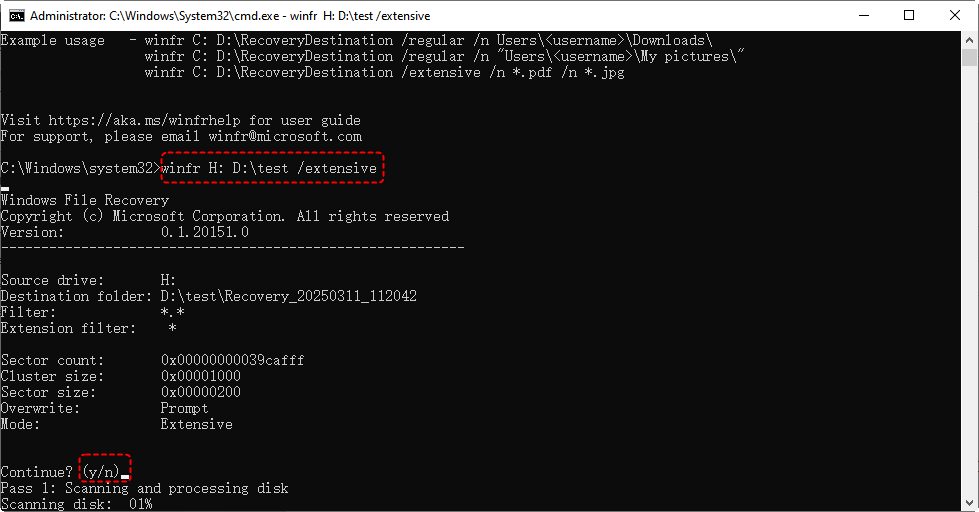
Replace H: with the RAW drive and D:\test with a folder on a different drive. To limit the scan to particular file types, append filters:
winfr H D:\test /extensive /n *.jpg /n *.docx /n *.mp4
Note: There is no preview, minimal progress feedback, and the tool frequently appears frozen at 0% or 99% on badly damaged volumes. If that happens, it is not going to complete — switch to the MyRecover method that shows you results as they are found.
How to Fix A RAW Drive in Windows 11/10? 5 Ways
With your files safe, you can repair the volume. Work down this list in order.
Way 1. Assign a drive letter
Occasionally a volume is perfectly healthy and simply has no mount point, usually after a letter conflict.
1. Press Win + X and select Disk Management.
2. Right-click the affected volume and choose Change Drive Letter and Paths.
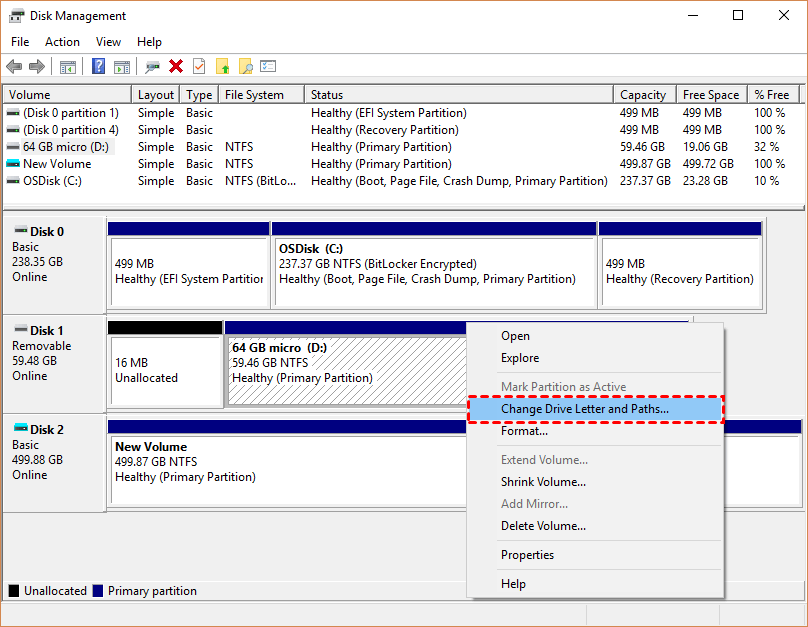
3. Click Add, pick an unused letter, and click OK.
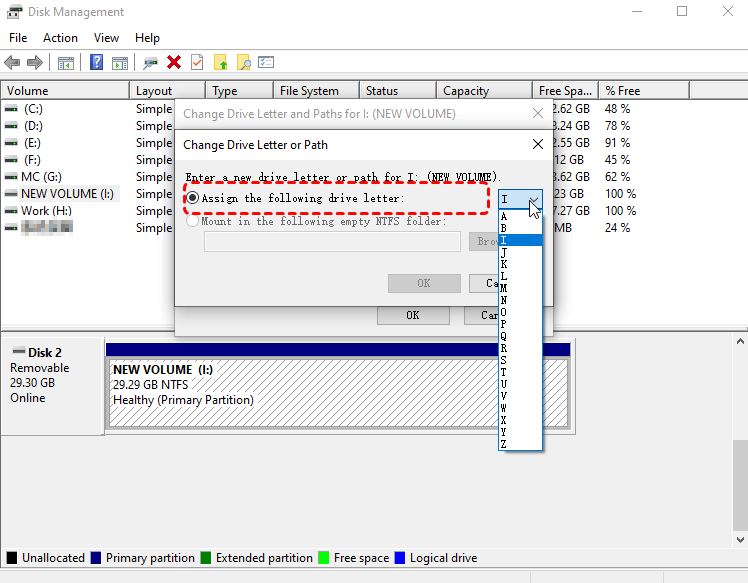
If the volume becomes accessible, you are done. Copy your data off and run a normal chkdsk now that Windows can identify the file system again.
Way 2. Reinstall the disk driver
If the drive went RAW immediately after a Windows update — a scenario we see regularly — a driver fault may be masking a perfectly healthy volume.
1. Open Device Manager and expand Disk drives.
2. Right-click the affected disk and select Uninstall device. Do not tick any option to delete driver software.
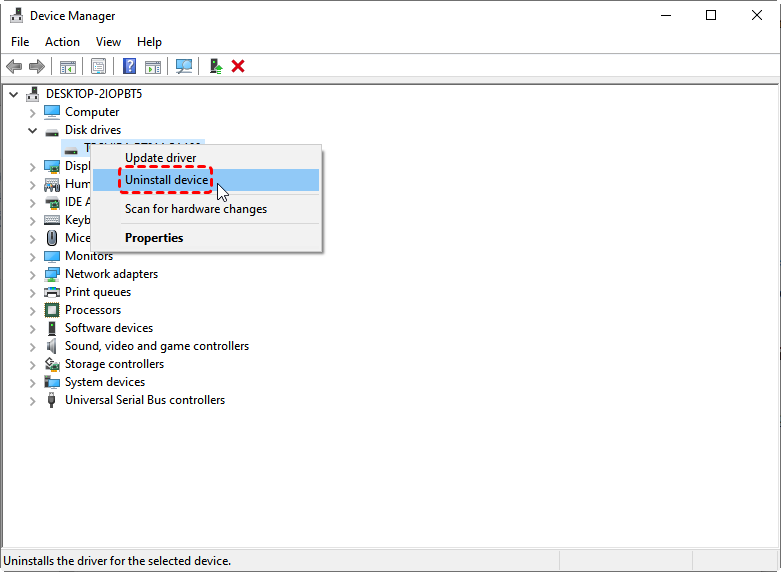
3. Restart. Windows reinstalls the driver automatically and re-enumerates the volume.
Way 3. Unlock a BitLocker volume
1. Open Command Prompt as Administrator and check the status (replace F: with your RAW drive's letter):
manage-bde -status F:
2. If it reports BitLocker protection, unlock it with your recovery key rather than formatting (replace F: with your RAW drive's letter):
manage-bde -unlock F: -RecoveryPassword YOUR-48-DIGIT-KEY
Your recovery key is stored in your Microsoft account at account.microsoft.com/devices/recoverykey, or in Active Directory on a managed work device.
Way 4. Rebuild the Partition Table or Boot Sector with TestDisk
TestDisk is a free, open-source tool that can restore a damaged partition table and rebuild an NTFS boot sector from its backup copy. NTFS stores that backup at the last sector of the volume specifically for this situation, which is why NTFS volumes are often fully repairable without any data loss.
1. Download TestDisk from cgsecurity.org and run testdisk_win.exe as Administrator.
2. Choose whether to create a log, then select the physical disk containing the RAW volume.
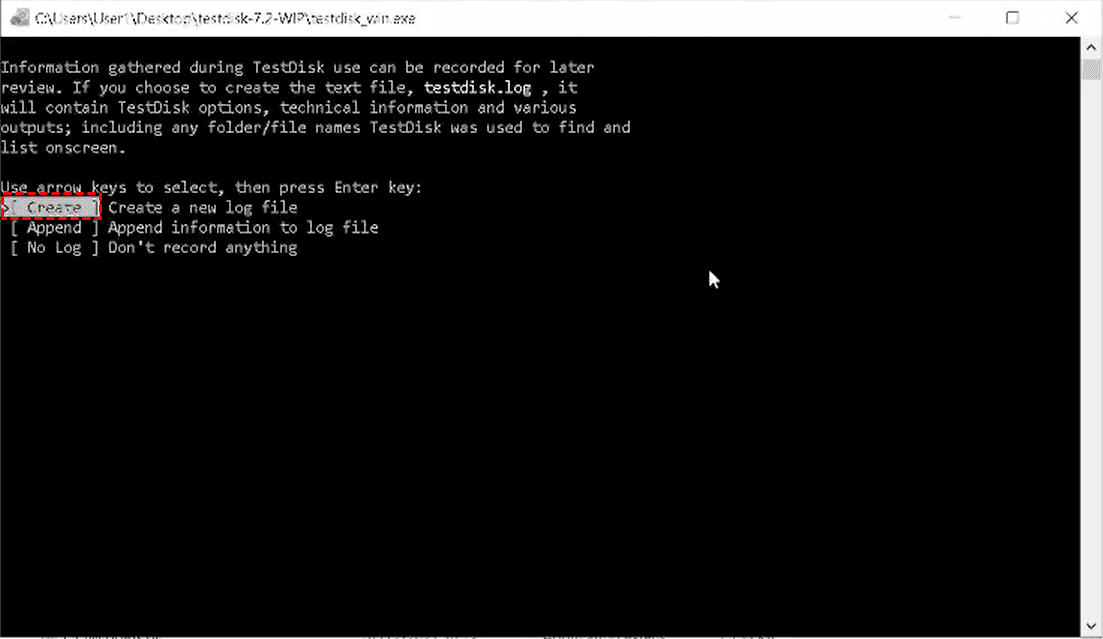
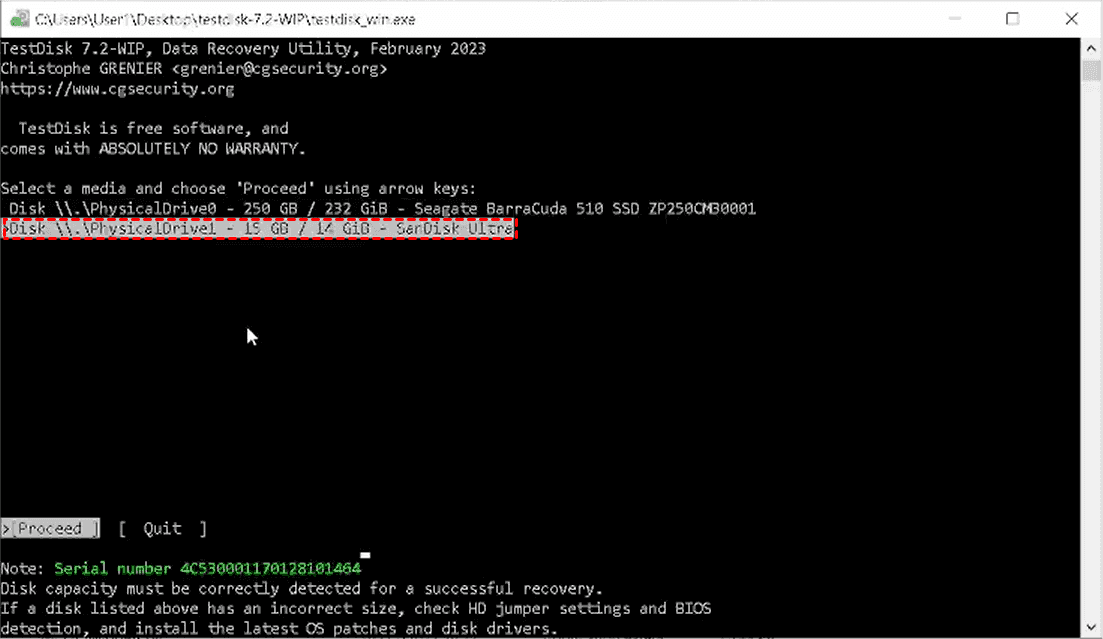
3. Accept the detected partition table type — Intel for MBR, EFI GPT for GPT.
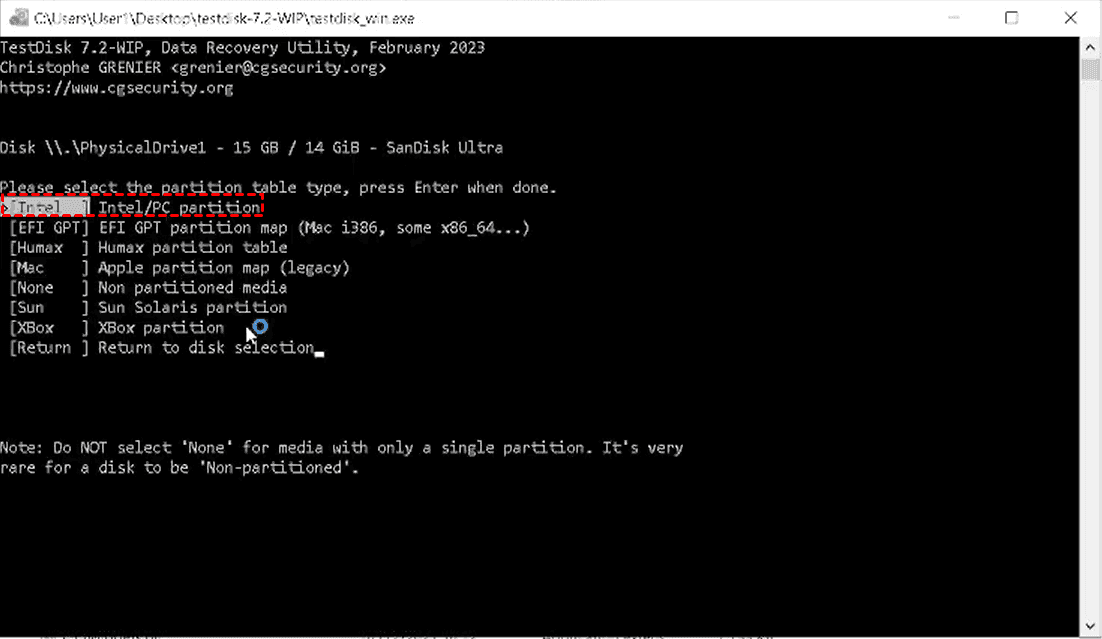
4. Select Analyse, then Quick Search. If your volume is not listed, run Deeper Search.
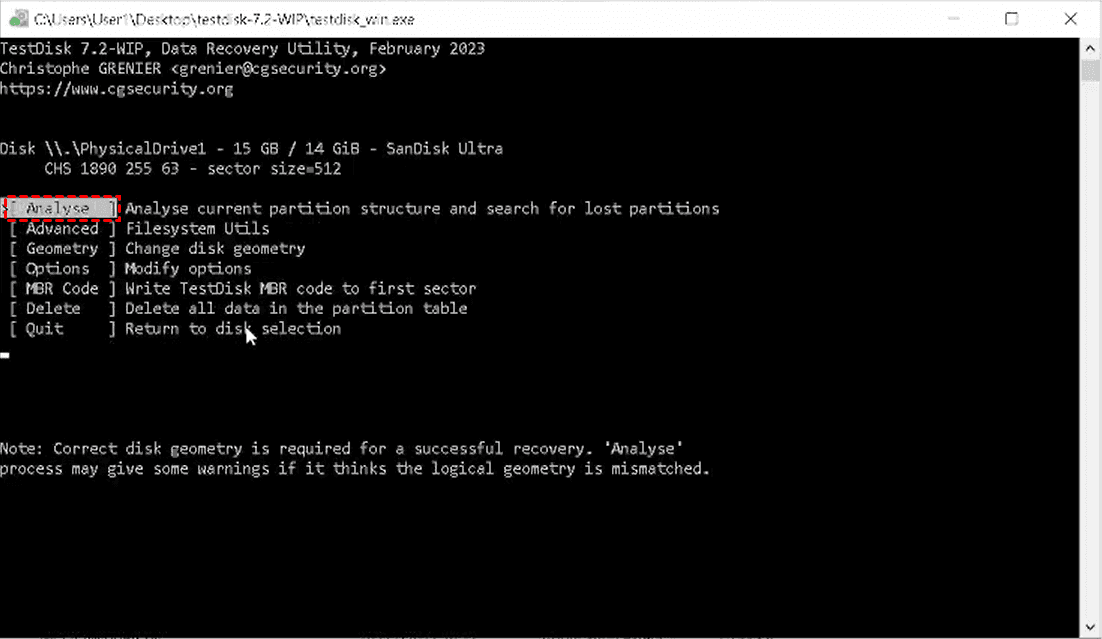
5. Use the left and right arrow keys to mark the correct partition as P (Primary), then press Enter and choose Write to commit the partition table.
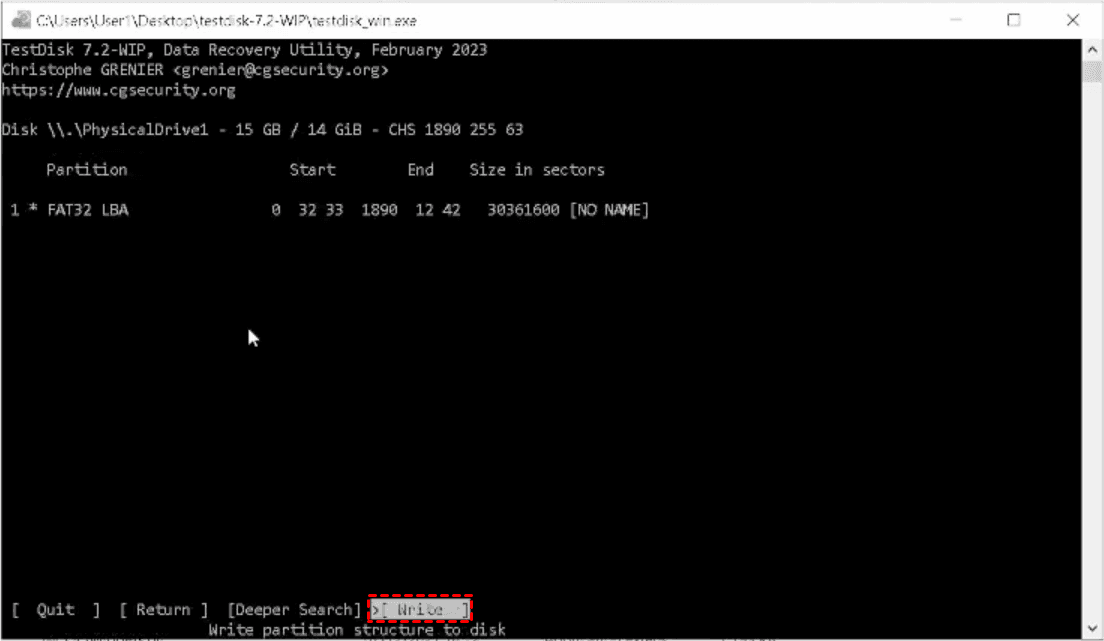
6. To rebuild the boot sector instead, go back to the analysis screen, choose Advanced → Boot → Rebuild BS, then Write.
7. Reboot and check whether the volume mounts.
Way 5. Format the RAW Volume to NTFS or exFAT (last resort)
Formatting always works, because it discards the damaged file system and writes a fresh one. It also erases everything, so only do this once your data is recovered and verified.
1. In Disk Management, right-click the volume and choose Format.
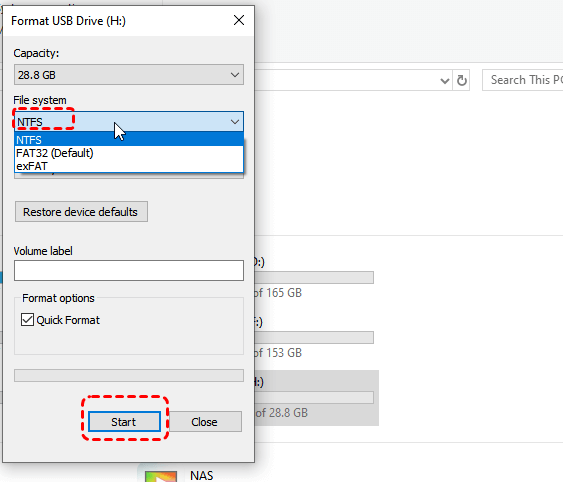
2. Select NTFS for internal Windows drives, or exFAT if the drive needs to work with macOS too.
3. Untick "Perform a quick format." A full format writes zeros across the volume and maps out bad sectors, which a quick format skips. It takes considerably longer but tells you whether the hardware is still sound.
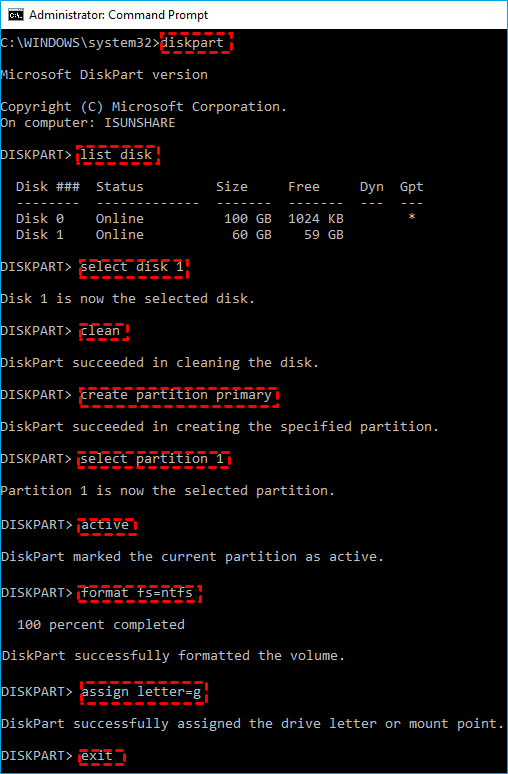
If Windows refuses to format, use diskpart. Note that clean destroys the partition table, so triple-check the disk number:
- diskpart
- list disk
- select disk 1
- clean
- create partition primary
- select partition 1
- active
- format fs=ntfs
- assign letter=g
- exit
Should the volume return to RAW within days or weeks of a successful format, the file system is not your problem. Replace the drive.
When to Call A Professional for RAW Drive
Recovery software works on logical damage. It cannot repair hardware, and on a physically failing drive, repeated scanning actively makes things worse. Stop and get a professional evaluation if any of the following apply:
- The drive makes noise. Clicking, beeping, grinding or repeated spin-up attempts indicate mechanical failure. Every additional power-on risks the heads contacting the platters.
- SMART reports failures. Rising Reallocated Sector Count, non-zero Current Pending Sector Count, or an overall "Caution"/"Bad" status.
- The drive vanishes mid-scan or the scan hangs indefinitely at a fixed percentage.
- It has been exposed to water, fire or a heavy impact. Do not power it on at all.
- The data is genuinely irreplaceable — the only copy of a business database, or family photos with no backup. One DIY attempt too many can end the conversation permanently.
A reputable lab will offer a free or low-cost diagnostic and a no-recovery-no-fee policy. Ask for both before you commit. We would rather you spend money with a lab and get your data back than lose it running our software on a dying drive.
FAQs About Recovering Data from A RAW File System
Can data be recovered from a RAW file system?
In most cases, yes. RAW means the file-system metadata is damaged, not that the file contents were erased. As long as the drive is not physically failing and you have not formatted it or written new data to it, recovery software can read the sectors directly and rebuild the files.
Does CHKDSK fix a RAW drive?
No. Windows returns "The type of the file system is RAW. CHKDSK is not available for RAW drives." CHKDSK repairs errors inside a recognised file system. When a volume reads as RAW, Windows cannot identify the file system, so there is nothing for CHKDSK to check.
Can I convert RAW to NTFS without losing data?
There is no safe direct conversion. The convert command only upgrades FAT/FAT32 to NTFS and will refuse on a RAW volume. The reliable sequence is: recover your files to another drive, format the volume to NTFS, then copy the files back. In some cases TestDisk can rebuild the boot sector and restore NTFS access without formatting — worth trying, but only after your data is safe.
Should I format my RAW drive when Windows asks me to?
Not until your data is safely copied elsewhere. Formatting writes a fresh file system and discards the old metadata, which turns a clean recovery with original filenames into a signature-based carve where names and folder structure are permanently lost.
Why does my external hard drive keep becoming RAW?
Recurrence is a warning sign. The usual culprits are growing bad sectors, a failing USB bridge or enclosure, a damaged cable or insufficient bus power, or unplugging the drive before Windows finishes writing. Check SMART and, if you can, connect the bare drive directly by SATA to rule out the enclosure.
Can I recover data from a RAW drive for free?
Partly. MyRecover lets you scan and preview for free so you can confirm your files are recoverable before paying, and Microsoft's Windows File Recovery is completely free if you are comfortable with the command line. Free tools handle simple corruption reasonably well but tend to struggle with damaged partition tables and heavy fragmentation.
How long does RAW drive recovery take?
A quick scan usually completes in a few minutes. A full deep scan runs roughly 1–2 hours per terabyte on a healthy mechanical drive, and faster on an SSD. Drives with bad sectors take much longer, because every unreadable sector has to time out before the scan continues.
Does a RAW drive mean the disk has failed?
Usually not. Most RAW volumes are a logical problem with the boot sector or partition table, and the hardware is fine. Suspect hardware if the drive clicks or grinds, disappears and reappears, shows rising Reallocated or Pending Sector counts in SMART, or returns to RAW soon after being formatted.
Can a BitLocker drive show up as RAW?
Yes. A BitLocker volume can present as RAW on a PC that cannot read its encryption metadata, or when that metadata is damaged. Run manage-bde -status before attempting any repair. If the volume is protected, unlock it with your password or 48-digit recovery key first — formatting a BitLocker volume makes the data cryptographically unrecoverable.
The End
Yes, data from a RAW partition can be recovered! While encountering a RAW drive error—such as the one caused by a faulty Windows update—can be alarming, tools like MyRecover provide a reliable pathway to recover files from a RAW file system without risking further damage.
And you should be aware of these:
- RAW means Windows lost the map to your files, not that the files were deleted.
- Recover first, repair second. Reversing that order is the most common way people lose data permanently.
- CHKDSK and convert /fs:ntfs cannot process a RAW volume. Skip them.
- Diagnose the cause before applying fixes — BitLocker, a Mac-formatted drive or a faulty enclosure all look like RAW but need entirely different responses.
- Never write recovered files back to the source drive.
- Clicking noises or failing SMART attributes mean stop, power down and consult a lab.

Stay Updated With Our
Latest Tips
Add us as a preferred source on Google to never miss helpful guides.
 Add as preferred source >>