 MyRecover


Error Code 0xc0000001: Complete Guide to Causes and Fixes
If you're stuck on Windows error code 0xc0000001, knowing how to fix error code 0xc0000001 becomes critical. Explore step-by-step troubleshooting, boot repair tools, and advanced recovery solutions to fix the error and regain full system access.

By Vera / Updated on March 6, 2026


What Is Error Code 0xc0000001?
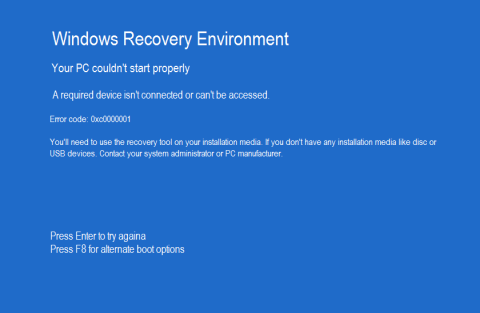
In plain English, error code 0xc0000001 is a Windows boot error that prevents your computer from starting normally. Imagine trying to start a car, but the ignition refuses to turn on because the engine control unit isn’t communicating with the battery. That’s basically what’s happening with your PC — some critical system files or boot information is damaged or missing.
This error often appears on a blue screen during startup or after a Windows update. It can affect any modern Windows system, including Windows 10 and Windows 11.
Common Symptoms of Error Code 0xc0000001
Recognizing the signs can save time. Here’s what to look out for:
- Blue screen during startup;
- PC stuck in a boot loop;
- "Your PC couldn’t start properly" message;
- Error message referencing winload.exe or BCD issues.
If your system shows any of these symptoms, you’re likely dealing with error code 0xc0000001.
Why Does Error Code 0xc0000001 Appear?
There are several potential causes for this error. Understanding them will help you decide the best course of action.
Corrupted System Files
One of the most common reasons is corrupted or missing Windows system files. These files are crucial for booting. Power failures, sudden shutdowns, malware, or failed updates can all damage these files.
Damaged Boot Configuration Data (BCD)
The Boot Configuration Data file tells Windows how to start. If this file is damaged or corrupted, your system won’t know how to begin the boot process, resulting in error code 0xc0000001.
Faulty RAM
Bad RAM modules can cause all kinds of errors, including this one. If your memory is failing, Windows may not be able to load critical boot files correctly.
Hard Drive Errors
Physical damage, bad sectors, or logical errors on your hard drive can prevent Windows from accessing files required to start your PC.
Malware or Viruses
Although less common, certain malware infections can corrupt boot files or system files, triggering this error. >> Look here if you want to recover files deleted by virus.
How to Fix Error Code 0xc0000001
Now let’s move to the solutions. We’ll go step by step, from simple fixes to more advanced methods. Follow these instructions carefully.
Step 1: Remove External Devices
Sometimes the fix is as simple as unplugging peripherals. USB drives, printers, or external hard drives may confuse your PC during boot.
1. Shut down your computer.
2. Disconnect all external devices.
3. Restart the system.
If the PC boots normally, one of the external devices was causing the issue. Plug them back in one by one to identify the culprit.
Step 2: Run Windows Startup Repair
Windows includes a tool to automatically fix boot issues.
1. Insert a Windows installation USB or DVD and boot from it.
2. Select your language and click "Next".
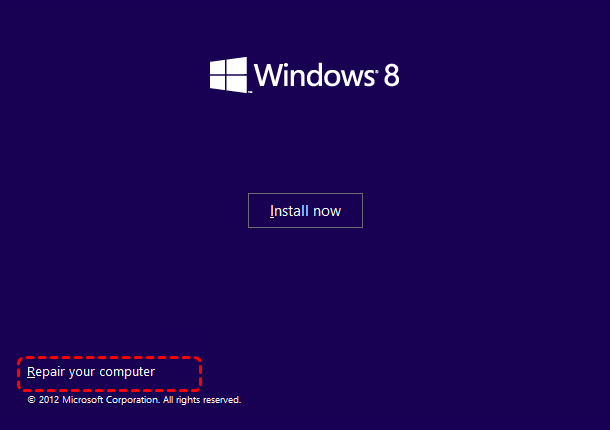
3. Click "Repair your computer" in the bottom-left corner.
4. Choose Troubleshoot > Advanced Options > Startup Repair.
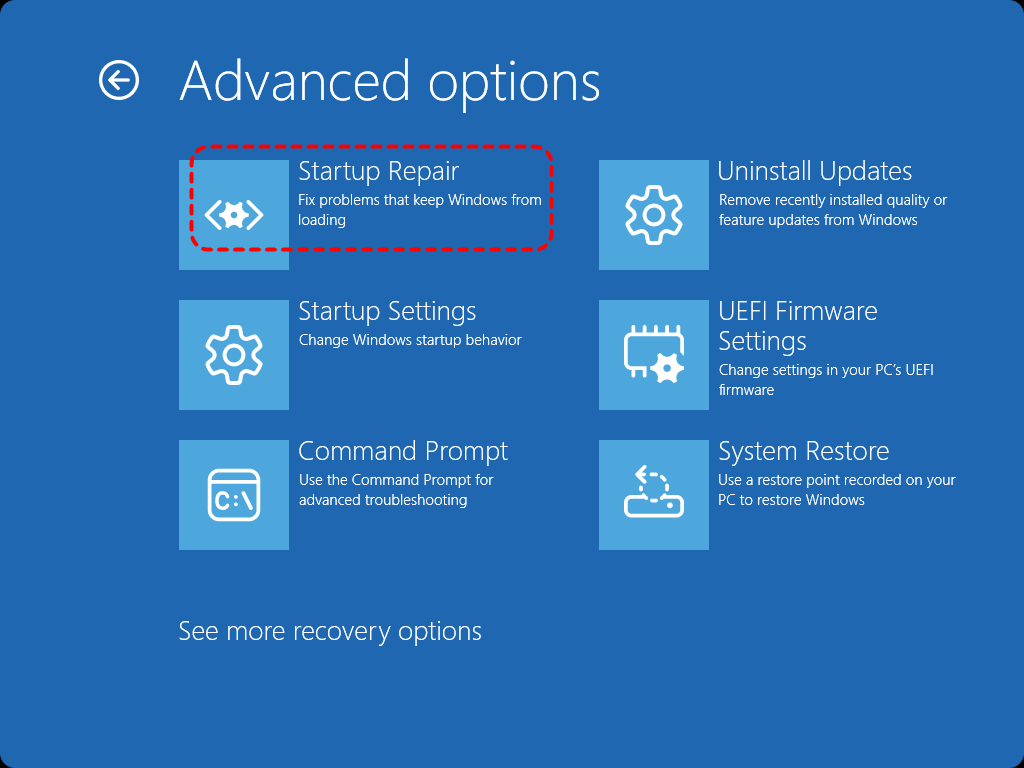
Windows will attempt to detect and repair startup problems. This may take several minutes, so be patient.
Step 3: Rebuild Boot Configuration Data (BCD)
If Startup Repair fails, rebuilding the BCD often resolves error code 0xc0000001.
1. Boot from your Windows installation media.
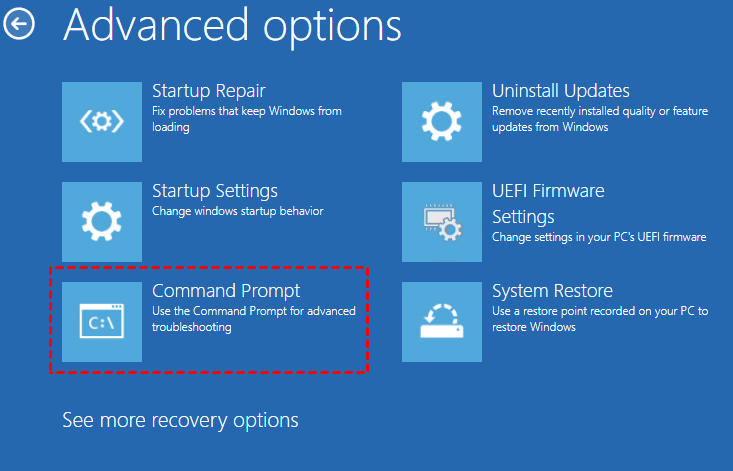
2. Select Troubleshoot > Advanced Options > Command Prompt.
3. In Command Prompt, type each command followed by Enter:
bootrec /fixmbr
bootrec /fixboot
bootrec /scanos
bootrec /rebuildbcd
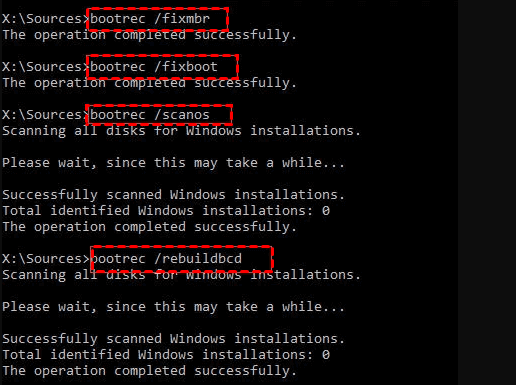
This sequence repairs and rebuilds your boot records, which are often the root cause of the error.
Step 4: Check Disk for Errors
Your hard drive may have errors or bad sectors. To scan and repair them:
1. Open Command Prompt from Advanced Options.
2. Type: chkdsk C: /f /r.
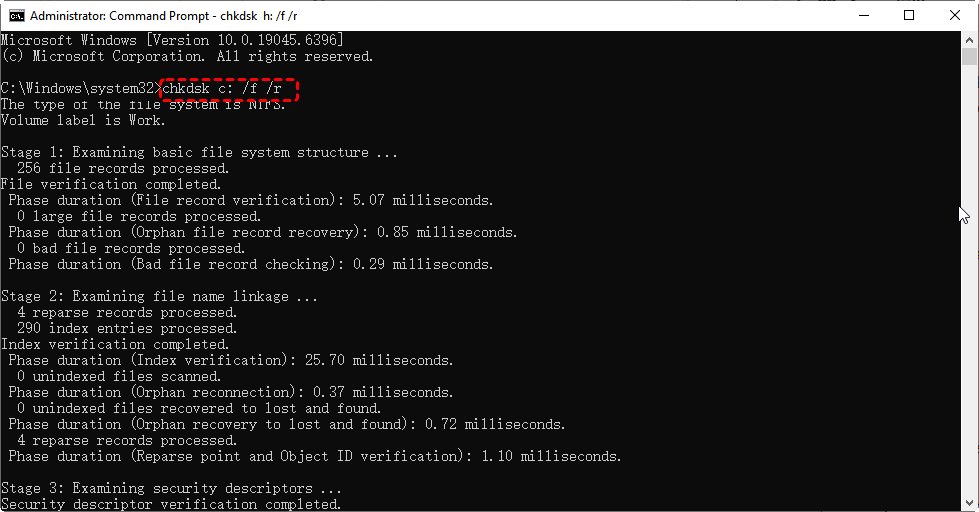
3. Press Enter and allow the scan to complete.
Depending on your drive size, this may take from several minutes to a few hours.
Step 5: Run System File Checker (SFC)
SFC scans for corrupted Windows files and replaces them.
1. Open Command Prompt.
2. Type: sfc /scannow.
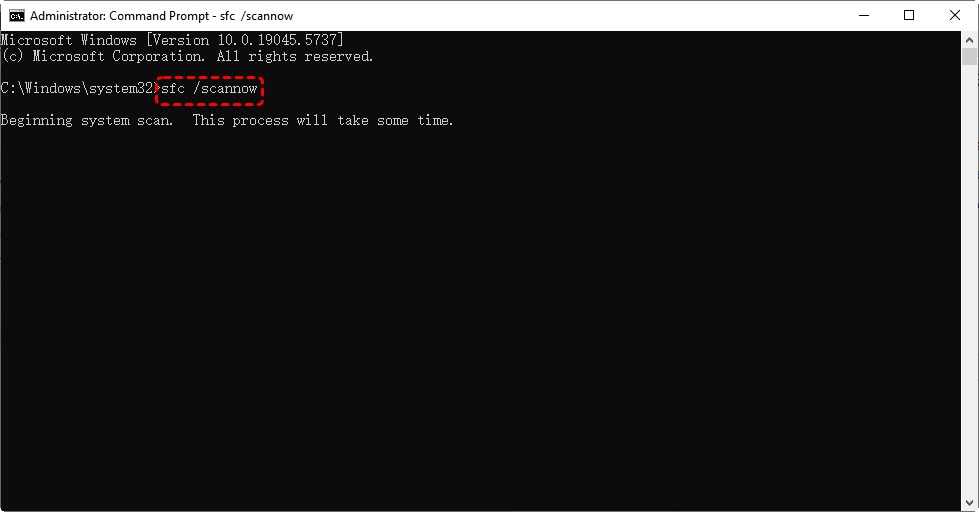
3. Press Enter and let the tool scan.
This can resolve issues caused by damaged system files.
>> Look here if you find the SFC gets stuck.
Step 6: Test RAM
Faulty memory is a frequent cause of boot errors.
1. Power off your PC and open the case.
2. Remove RAM modules and reseat them properly.
3. Boot the system.
Alternatively, run Windows Memory Diagnostic from Advanced Options to test for RAM errors.
Step 7: Reset Windows
If all else fails, resetting Windows may solve the problem.
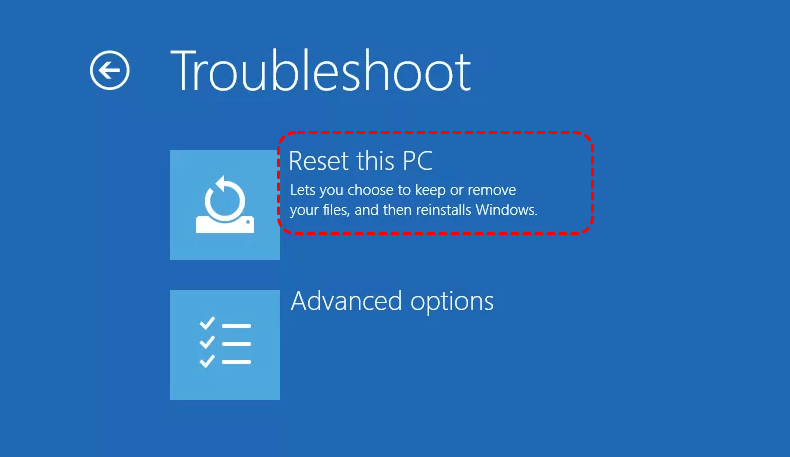
1. Go to Troubleshoot > Reset This PC.
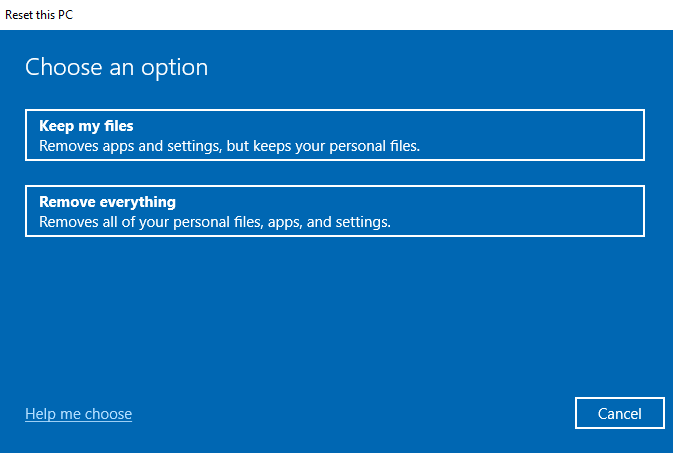
2. Choose whether to keep your files or remove everything.
3. Follow the on-screen instructions.
Before resetting, back up critical data to avoid permanent loss.
How to Recover Lost Data After Error Code 0xc0000001
Sometimes, fixing the error may not be enough — data loss can occur. If you notice missing files, don’t panic.
Using Professional Data Recovery Software
A tool like MyRecover can scan your drive and recover deleted, corrupted, or inaccessible files. It’s user-friendly and safe, even for beginners, allowing you to retrieve important documents, photos, or videos without hassle.
 100% Secure
If fixing error code 0xc0000001 causes file loss, you can recover your data easily using MyRecover. Follow these simple steps:
1. Install MyRecover – Download and install it on your PC.
2. Open the Program – Launch MyRecover.
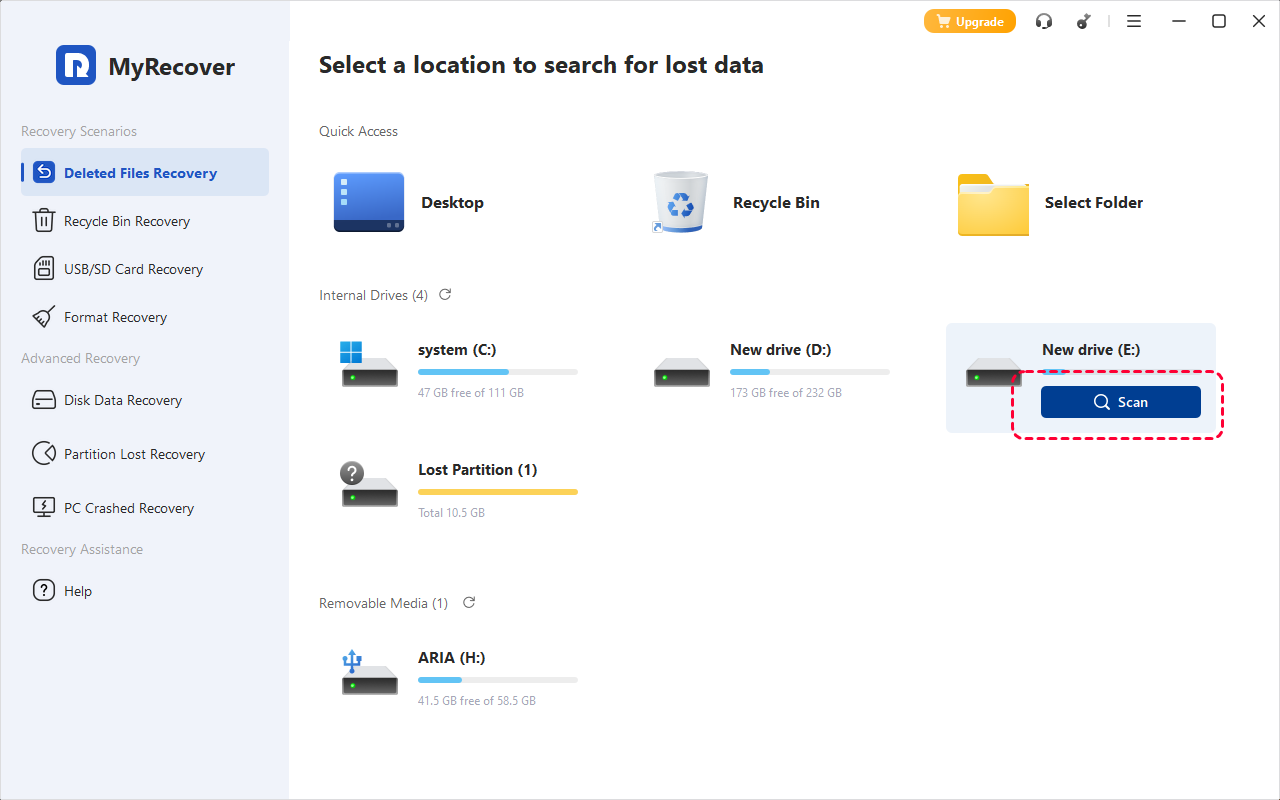
3. Choose the Drive – Select the drive where your lost files were.
4. Scan the Drive – Click Scan and wait a few minutes.
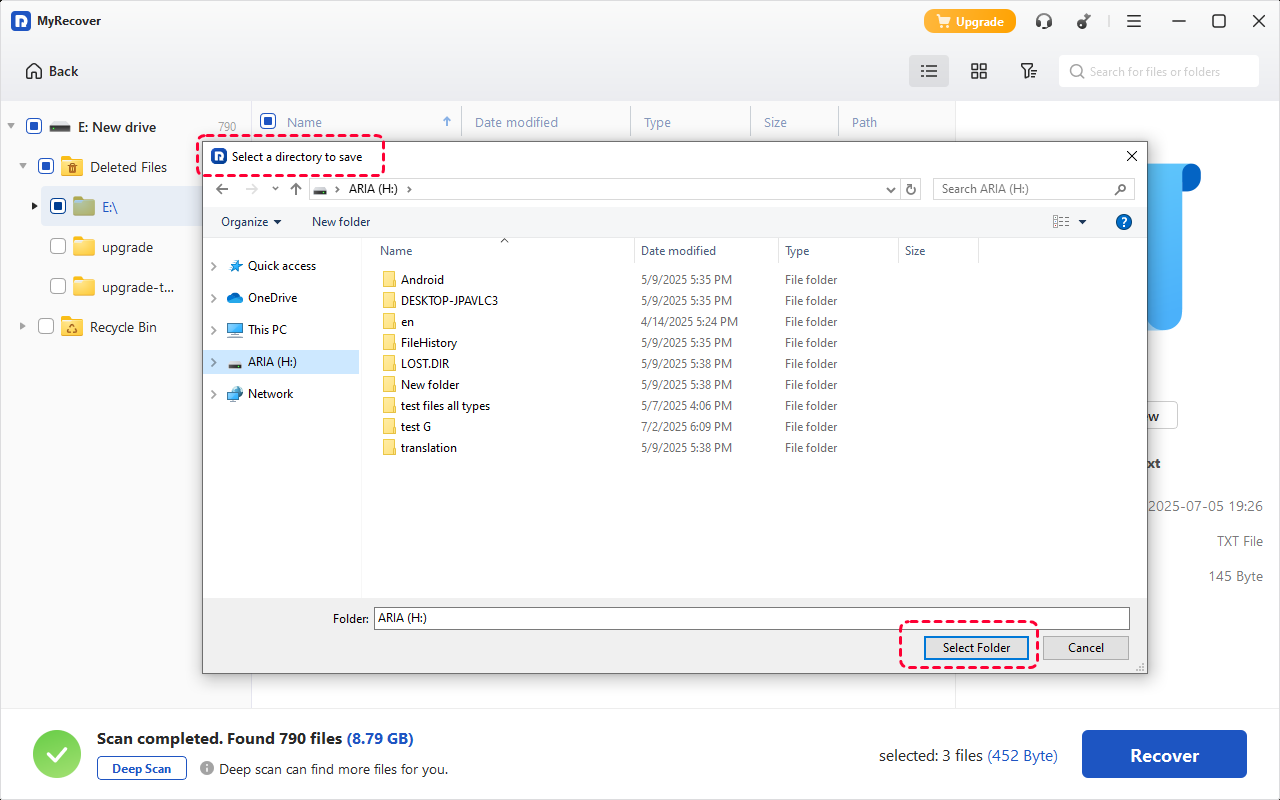
5. Select Files – Preview and tick the files you want to recover.
6. Recover Files – Click Recover and save them to a safe location (like an external drive).
That’s it! You can get your files back quickly without complicated steps.
How to Prevent Error Code 0xc0000001 in the Future
Prevention is better than repair. Here are steps to minimize the risk:
- Keep Windows updated regularly.
- Install reliable antivirus software.
- Avoid sudden shutdowns or forced restarts.
- Perform regular disk checks.
- Back up important data consistently.
Think of it like routine car maintenance — small actions today prevent big headaches tomorrow.
Final Thoughts on Error Code 0xc0000001
While error code 0xc0000001 can be alarming, most cases are solvable. From rebuilding boot records to running system scans and using recovery tools like MyRecover, you have multiple ways to bring your system back to life.
Remember, patience and methodical troubleshooting are key. Your PC isn’t broken — it just needs a careful fix.

Stay Updated With Our
Latest Tips
Add us as a preferred source on Google to never miss helpful guides.
 Add as preferred source >>