 MyRecover



How to Recover Deleted Photos from Fujifilm Camera
Wondering can you recover deleted photos from Fujifilm camera? Yes! This guide shows simple, reliable methods to restore your lost shots. Learn how to use recovery tools and tips to quickly bring back precious memories from your Fujifilm camera’s storage.

By Vera / Updated on May 20, 2026


Introduction: The "Delete All" Nightmare
Imagine this: You’ve just finished a breathtaking photography trip. You’re reviewing your shots on your Fujifilm X-T4 or X100V, and in a moment of fatigue or distraction, you hit "Delete All Frames" instead of a single blurry shot. You frantically hit cancel, but the screen stays blank.
Accidentally deleted all frames
Hi guys, something very unfortunate happened to me right as I am ending my photography trip. I accidentally hit (and confirmed omg) “Delete All Frames”. I only realised something is up when the deletion took quite some time and frantically hit cancel but by then, most of my pictures are gone already.
I searched for help online and am getting some mixed responses - lots of people on forums say that it is recoverable via some recovery software but the official Fujifilm site says that the images cannot be restored.
Please tell me if there is any chance for me to recover these pictures. The SD card I am using is a Kingston SDHC card. For now, all I have done is to remove the SD card and stop taking any pictures with it. Thanks!
- Question from Reddit
This exact scenario recently went viral on Reddit, where a user expressed the heartbreak of losing an entire trip's memories. While the official Fujifilm manual often states that deleted images cannot be restored, this is technically incomplete information. From a data forensics perspective, your photos are likely still there—they are just "invisible."
This guide will explain the science of how Fujifilm stores data and provide five proven methods to bring your memories back from the brink.
Understanding Photo Deletion on Fujifilm Cameras
Before we dive into solutions, it helps to understand what "deleted" really means on your Fujifilm camera. When you delete an image, it’s not completely erased from your memory card right away. Instead, the camera simply marks the space as available for new data. Until that space is overwritten, the deleted photo can still be recovered.
Why Photos Get Deleted Accidentally
From a wrong button press to a rushed memory card format, accidental deletion can happen for a variety of reasons:
- Accidental "Delete All": Choosing the wrong menu option during playback.
- Card Formatting: Accidentally formatting the card in-camera (which is more thorough but often still recoverable).
- Transfer Interruptions: Pulling the card out while the "Writing" light is still blinking.
- File System Corruption: The "Card Not Initialized" error message.
Knowing the cause can help you decide which recovery method to use.
Can you recover deleted photos from Fujifilm camera? Yes! In most cases, deleted photos can be recovered if you act quickly and avoid overwriting your SD card. The sooner you stop using the card, the better your chances of full recovery.
Immediate Steps to Take After Photo Loss
Acting fast is critical. Here’s what you should do right after discovering your photos are missing:
- ✔️Stop Shooting Immediately: This is the most critical rule. If you take even one more photo, the camera might write that new data over the deleted "invisible" files.
- ✔️Physical Extraction: Turn off the camera and remove the SD card.
- ✔️Toggle the Write-Protect Switch: On the side of your SD card, slide the small tab to the "Lock" position. This prevents any computer or camera from writing new data to it during the recovery process.
[5 Methods] How to Recover Deleted Photos from Fujifilm Camera
There are several ways to retrieve your lost photos, from built-in camera tools to professional software.
Method 1: Use Fujifilm Camera’s Internal Backup Options (If Available)
Many modern Fujifilm users utilize the Fujifilm XApp or the older Camera Remote app. If you had "Auto Image Transfer" enabled during your shoot, your camera may have already pushed low-res JPEGs or even full-sized images to your smartphone in the background.
1. Check your camera’s "Playback" or "Wireless Communication" settings.
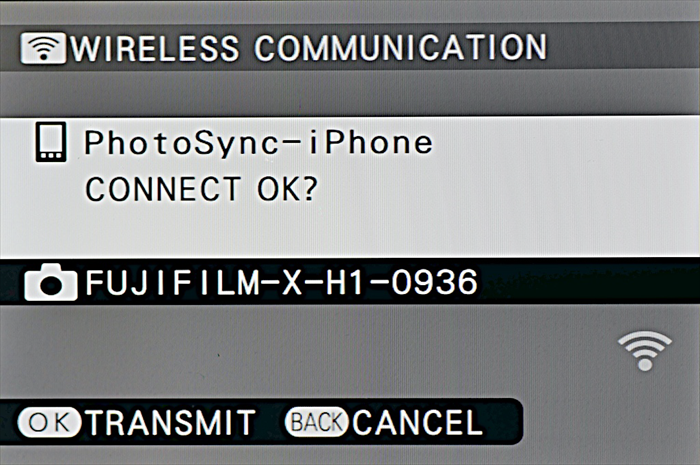
2. Look for "Backup" or "Sync" options.
3. If enabled, connect your camera to your phone or computer.
4. Restore your photos from the internal or synced storage.
If you didn’t have wireless syncing enabled, or if you need the original high-resolution RAW files (.RAF) rather than mobile previews, you’ll need to look at your desktop backups.
Method 2: Recover Photos from Backup on PC or Cloud
Professional photographers often use a "Double Backup" workflow, involving services like Lightroom Cloud, Google Photos, or Time Machine. If you routinely back up your images, now’s the time to dig into those backups.
1. Search by File Extension: On your PC/Mac, search for .RAF (Fujifilm RAW) or .JPG files created on the date of your trip.
2. Check Cloud Trash: Log into Google Drive or Dropbox. If you have "Camera Uploads" enabled, check the "Trash" folder; sometimes files are deleted from the cloud if they are deleted from a synced device.
3. Check Lightroom/Capture One Catalogs: If you use professional software, check your "Recent Imports."
If no backup exists, it’s time to move from "checking" to "recovering." Since the data is still physically on the SD card, we need a tool that can read the raw sectors of the storage.
Method 3: Use Professional Data Recovery Software (Highly Recommended – MyRecover)
When the camera says the files are gone, it’s lying—it just doesn't have the "map" to find them. MyRecover acts as a professional navigator, scanning the deep architecture of your SD card to find the actual image data regardless of the missing file pointers.
If you don’t have a backup, data recovery software is your best bet. is a trusted, easy-to-use tool that can recover deleted photos from SD cards, USB drives, and other storage devices.
Why MyRecover is ideal for Fujifilm photo recovery:

 MyRecover
- 📷Fujifilm Specific Support: It is optimized to recognize and reconstruct .RAF (Fujifilm RAW) files, which many generic recovery tools fail to handle correctly.
- 🎞️High-Resolution Retention: Unlike free tools that might only recover a low-res thumbnail, MyRecover aims for the full-bit depth of your original photography.
- 🔄️SDHC/SDXC Optimization: Whether you use a Kingston, SanDisk, or Lexar card, MyRecover handles the specific file systems (FAT32/exFAT) used by Fujifilm cameras.
- 🔐Safety First: It performs a "Read-Only" scan, ensuring it doesn't accidentally damage the card further during the process.
 100% Secure
Step-by-Step Guide to Using MyRecover
1. Download and Install MyRecover: Head to MyRecover’s official site and install the program on your PC.
2. Insert the SD Card: Use a card reader to connect your Fujifilm camera’s SD card to your computer.
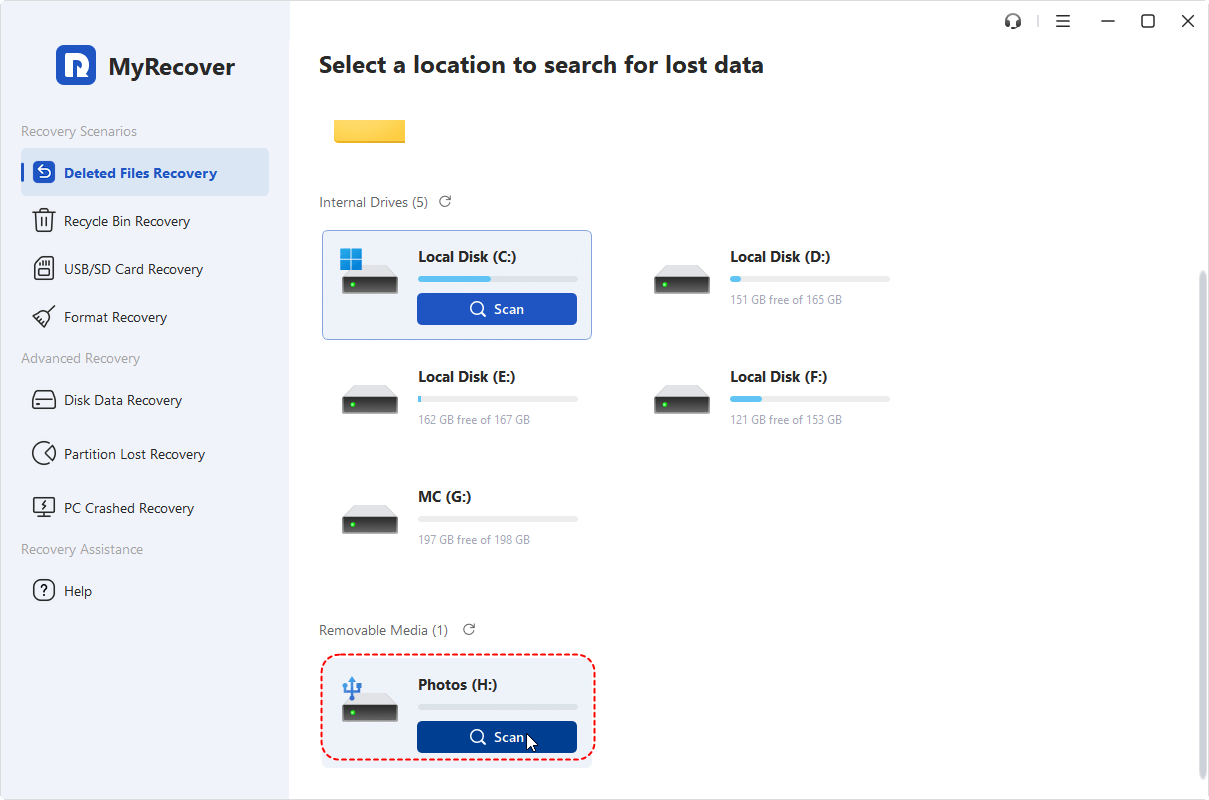
3. Launch MyRecover: Open the software, and select your SD card from the drive list.
4. Scan the Card: Click "Scan" to begin searching for deleted files. The software will display recoverable files as it scans.
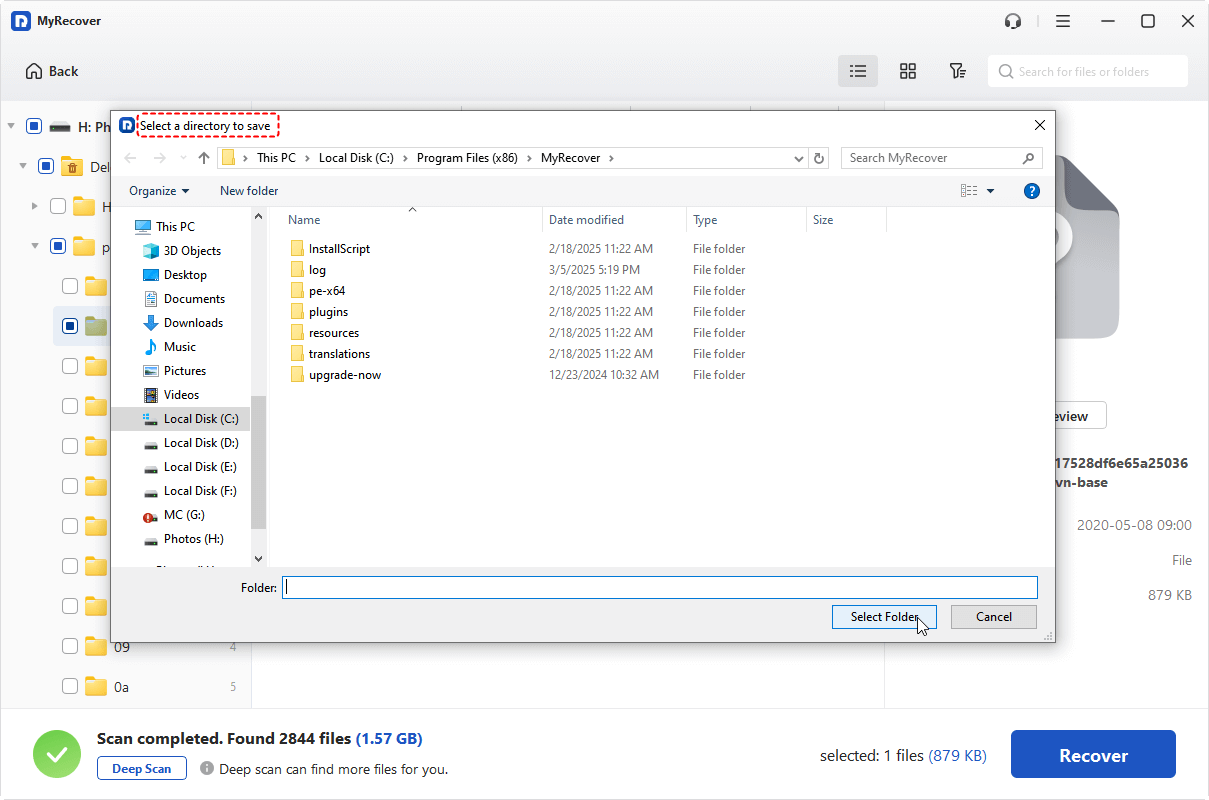
5. Preview and Recover: Preview the found photos. Select the ones you want and click "Recover" to save them to a secure location (not back to the SD card).
Even the best tools can’t recover overwritten data. Follow these tips to boost your chances:
- Use Reliable SD Cards: Cheap or counterfeit cards fail more often. Stick to reputable brands like SanDisk, Lexar, or Samsung for your Fujifilm camera.
- Regularly Back Up Photos: Schedule automatic backups to your computer or cloud so you’re never caught off-guard by data loss.
For users who are comfortable with coding and command-line interfaces, there is a free, albeit more complex, alternative provided by Microsoft.
Method 4: Recover Photos with Winfr (Windows File Recovery)
If you’re on a Windows computer, you can try Microsoft’s free tool Winfr (Windows File Recovery). It lacks a visual interface (GUI) but uses powerful algorithms to "scrape" data from storage devices. You can try this way if you are tech-savvy, using Windows 10/11, and prefer a free, native tool.
1. Install Winfr – Open the Microsoft Store on your Windows PC, search for Windows File Recovery, and download & install it.

2. Connect the SD Card – Insert your Fujifilm SD card into your computer using a card reader.
3. Open Command Prompt – Type cmd in the search bar, right-click Command Prompt, and choose "Run as administrator".

4. Run the Command – Type:
winfr X: Y:\Recovered /regular /n *.raf
- Replace X: with your SD card letter.
- Replace Y:\Recovered with the folder where you want files saved.
5. Check the Recovered Files – Once finished, go to the folder to find your recovered photos.
If the software methods above fail to see the SD card at all (e.g., the card is physically cracked or won't mount), you have reached the limit of DIY solutions.
Method 5: Seek Help from Professional Data Recovery Services
If the SD card is physically damaged or corrupted, software may not work. That’s when professional recovery services can step in.
When to Choose a Service
- Severe water or physical damage to the SD card.
- Repeated formatting or overwriting.
- Important professional or sentimental photos at stake.
Search for a certified data recovery lab with good reviews and a no-data, no-fee policy.
Conclusion
Losing precious photos from your Fujifilm camera can feel like a nightmare, but with the right approach, it’s often reversible. By acting quickly, using tools like MyRecover, and following the steps above, you can bring back your deleted memories. And once you’re done recovering, remember to back everything up so you’re not stuck in the same situation again.
FAQs
1. Can I recover deleted RAW files from my Fujifilm camera?
Yes, tools like MyRecover can recover both RAW and JPEG files from your Fujifilm camera’s SD card. Also, it supports PNY SD card recovery or Sony SD card recovery.
2. Is it safe to use free data recovery software?
Free tools can work but may have limitations or lower success rates. For important photos, a trusted tool like MyRecover is recommended.
3. How long does it take to recover deleted photos?
It depends on the size of your SD card and the number of files. A deep scan could take anywhere from a few minutes to over an hour.
4. Can I recover photos after formatting the SD card?
Yes, as long as new data hasn’t overwritten the old files. MyRecover has a deep scan mode ideal for this situation.
5. What’s the best way to avoid photo loss in the future?
Regular backups, using multiple memory cards, and handling your cards carefully are the most effective ways to protect your photos.
6. I accidentally "Formatted" the card instead of "Deleting All." Is there a difference?
In most Fujifilm cameras, a format is a "Quick Format." It wipes the file directory but leaves the data blocks. Recovery is still very high. However, if you performed a "Low-Level Format" (available in some pro-level settings), recovery may be impossible as that process writes zeros to the entire card.
7. How can I prevent this from happening again?
First, utilize the "Dual Card Slots" if your Fujifilm camera (like the X-T5 or X-H2) has them—set the second slot to "Backup." Second, make it a habit to "Lock" the SD card switch before inserting it into any computer you don't trust.

Stay Updated With Our
Latest Tips
Add us as a preferred source on Google to never miss helpful guides.
 Add as preferred source >>