 MyRecover



10 Fixes: RTKVHD64.SYS Blue Screen Error in Windows 10 / 11
The rtkvhd64.sys blue screen error is a common Blue Screen of Death (BSOD) issue on Windows 10 and Windows 11, often related to Realtek High Definition Audio driver problems. Today, we explain what causes the rtkvhd64.sys blue screen error and provide proven solutions to help you fix the problem and restore system stability on Windows 10/11.

By Emma / Updated on January 21, 2026


About the RTKVHD64.sys Blue Screen Error in Windows 10
The RTKVHD64.sys Blue Screen issue occurs when Windows 10 detects a critical error in the Realtek High Definition Audio driver and forcibly stops the system to prevent further damage.
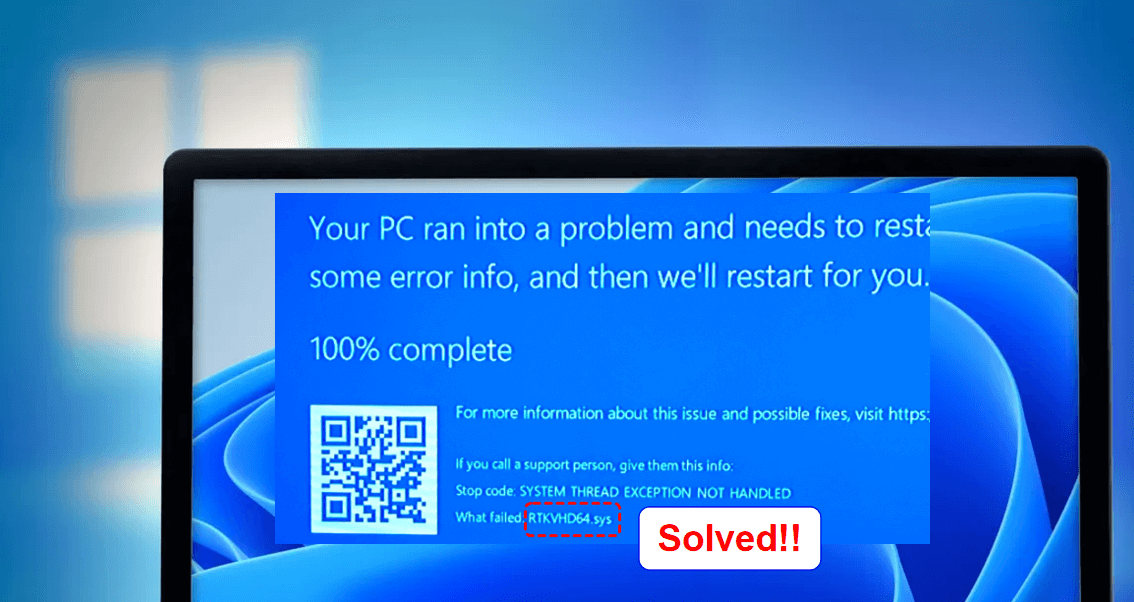
In simple terms:
- RTKVHD64.sys is a core driver file used by Realtek audio devices.
- It allows Windows to communicate with the computer’s sound hardware.
- When this driver becomes corrupted, outdated, incompatible, or conflicts with the system, Windows cannot operate safely.
As a result, Windows triggers a Blue Screen of Death (BSOD) as a protection mechanism. In essence, this problem is a system-level crash caused by an audio driver failure, not a virus and not a random Windows error.
Causes of RTKVHD64.sys Blue Screen Error
There might be various reasons behind why computer startup is stuck in RTKVHD64.sys blue screen, and the common ones include:
⭕Outdated or Corrupted Realtek Audio Driver
An old, incompatible, or damaged Realtek audio driver is the primary cause of the rtkvhd64.sys blue screen error, especially after system updates.
⭕Driver Incompatibility After Windows Updates
Major Windows 10/11 updates may conflict with existing Realtek drivers, leading to blue screen rtkvhd64.sys crashes.
⭕Corrupted System Files
Missing or corrupted Windows system files can interfere with driver operations and cause the RTKVHD64.sys BSOD.
⭕Incorrect Audio Configuration or Conflicting Audio Software
Third-party audio enhancement tools or incorrect sound settings may conflict with the Realtek driver.
⭕Malware or Virus Infection
Malicious software can damage or replace the RTKVHD64.sys file, resulting in system instability and blue screen errors.
⭕Hardware Issues with the Sound Card or Motherboard
Faulty or failing audio hardware may also trigger the rtkvhd64.sys blue screen Windows 10/11 error.
⭕Overclocking or System Instability
Unstable system settings, especially CPU or RAM overclocking, can cause driver failures and BSODs.
Solutions for RTKVHD64.sys Blue Screen Error
After understanding the common causes of the "RTKVHD64.sys blue screen error", the next step is to apply targeted solutions.
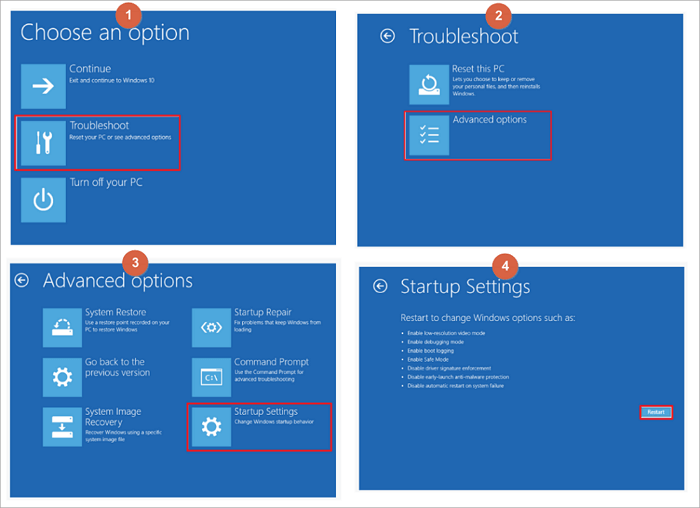
1. Power on your PC, and as soon as Windows starts loading, hold the power button to force shutdown. Repeat 2–3 times until the Windows Recovery Environment (WinRE) appears.
2. In WinRE, go to: Troubleshoot → Advanced options → Startup Settings → press 4 or F4 to Enable Safe Mode, or 5/F5 for Safe Mode with Networking.
Solution 1: Update or Reinstall the Realtek Audio Driver
Because an outdated or corrupted Realtek driver is the most frequent cause, this should be your first step. An incompatible driver can easily trigger the "rtkvhd64.sys blue screen"on Windows 10 or Windows 11.
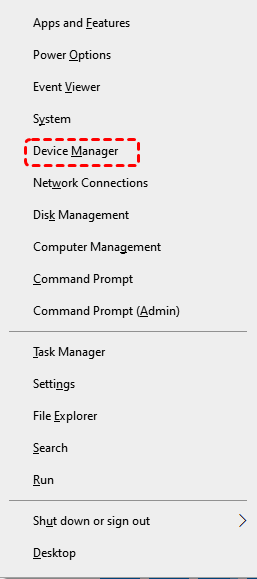
Step 1. Open "Device Manager" by pressing Win+X and selecting "Device Manager".
Step 2. Expand "Sound, video and game controllers". Right-click "Realtek High Definition Audio Device."
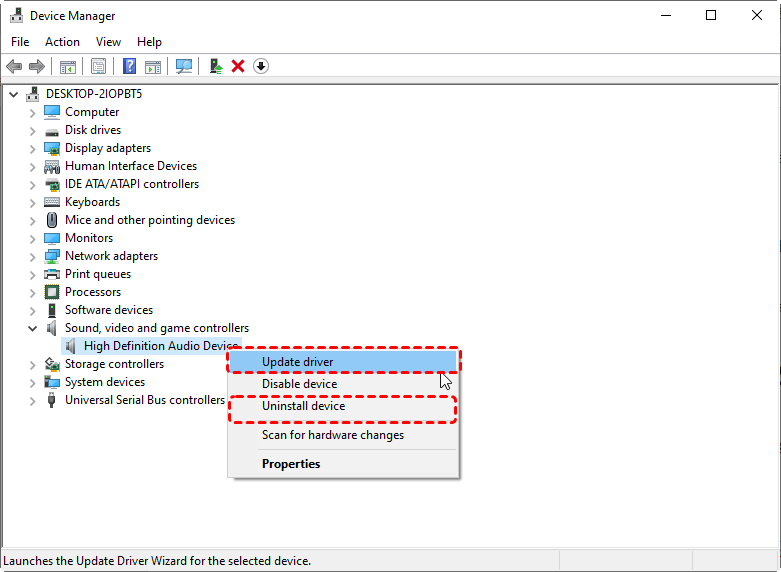
Step 3. Choose "Update driver" or "Uninstall device".
Restart your PC and install the latest driver from the manufacturer’s website. If updating does not help, reinstalling the driver can remove corrupted components that cause BSODs.
Solution 2: Roll Back the Audio Driver After a Windows Update
If the error started appearing immediately after a Windows update, the newly installed driver may be incompatible. In this case, rolling back to a previous stable version is often effective.
Open "Device Manager", right-click "Realtek High Definition Audio" and select "Properties > Driver". Click "Roll Back Driver"(if available)
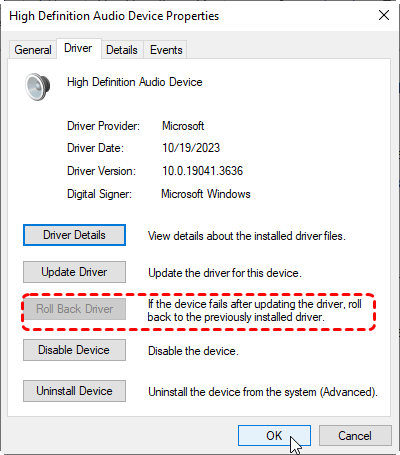
This method directly addresses "driver incompatibility issues caused by Windows updates".
Solution 3: Repair Corrupted System Files
When driver updates do not resolve the issue, corrupted system files may be interfering with RTKVHD64.sys. Repairing Windows system files can restore proper driver functionality.
Step 1. Press Win+X, select Command Prompt (Admin) to open "Command Prompt as Administrator".
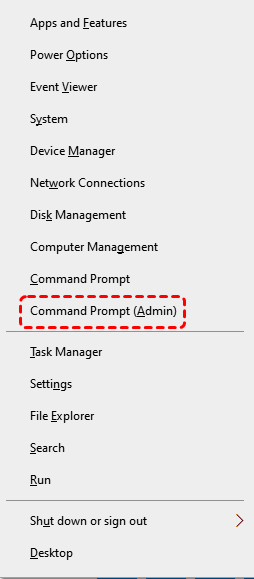
Step 2. Run the following commands one by one:
DISM /Online /Cleanup-Image /RestoreHealth
sfc /scannow
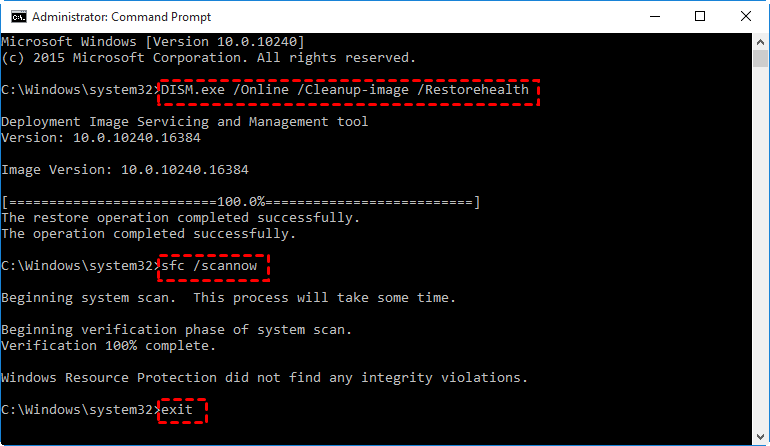
These tools scan and repair damaged system files that may be contributing to the "RTKVHD64.sys BSOD".
Solution 4: Disable Audio Enhancements
If you are using third-party audio tools or enhancements, they may conflict with the Realtek driver. Disabling unnecessary audio effects can improve system stability.
Step 1. Right-click the speaker icon in the system tray (bottom-right corner of the screen). Select "Sound settings" from the menu.
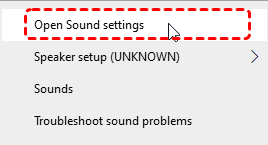
Step 2. Access to the Output section. Click Choose your output device and make sure the correct speaker or headphones are selected.
Step 3. Click Device properties (or More sound settings on Windows 11).
Step 4. In the Sound window, under the Playback tab, select your active audio device.
Step 5. Uncheck "Enable Audio Enhancements".
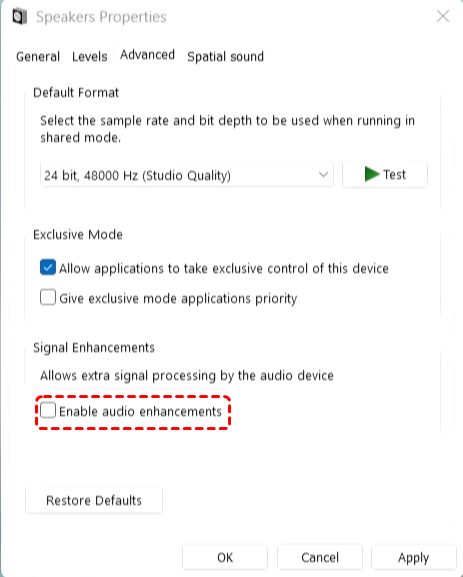
Remove or disable third-party audio software if installed. This step helps eliminate "software-level conflicts" related to audio processing.
Solution 5: Scan for Malware or Viruses
Since malware can damage or replace system driver files, running a full security scan is essential if the issue persists.
Use "Windows Security" or a trusted antivirus program. Perform a "full system scan" and remove any detected threats and restart the system.
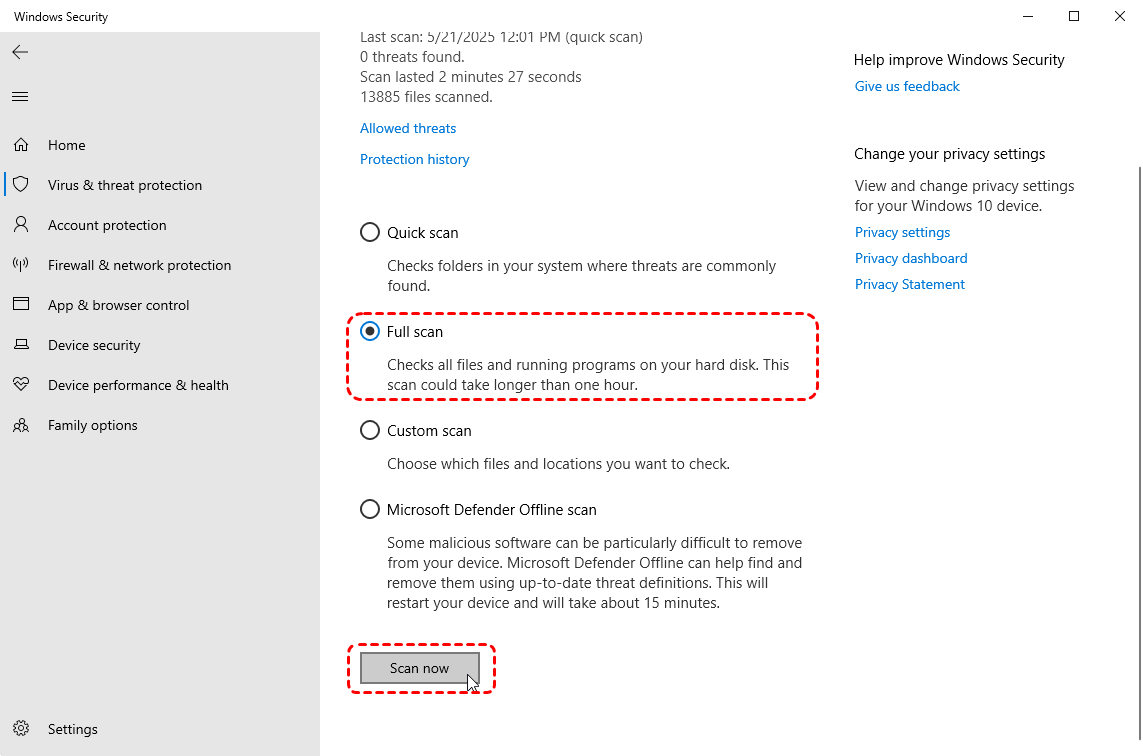
This ensures that the "RTKVHD64.sys file has not been compromised".
Solution 6: Test Without External Audio Devices
Disconnect all external audio devicesto isolate potential conflicts between Windows and external audio hardware. They include:USB headsets, bluetooth speakers or headphones, external sound cards.
Restart your PC and check if the blue screen still occurs. If the BSOD stops, the issue may be caused by an external device or its driver.
Solution 7: Reset BIOS/UEFI Settings to Default
If the RTKVHD64.sys blue screen still persists, your system’s BIOS/UEFI settings might be causing conflicts with the audio driver. Resetting the BIOS/UEFI to default can restore stability.
Step 1. Restart your computer and enter the BIOS/UEFI by pressing the designated key (usually Del, F2, or F10) during boot.
Step 2. Look for an option like Load Setup Defaults, Restore Defaults, or Reset to Default Settings.
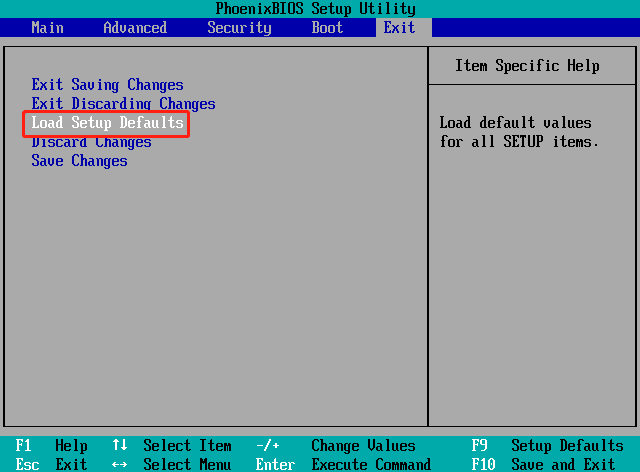
Save changes and exit the BIOS. Restart Windows and check for stability.
Solution 8: Disable CPU or RAM Overclocking
Overclocked CPU or RAM can cause system instability, leading to RTKVHD64.sys blue screen errors. Disabling overclocking ensures drivers run in a stable environment.
Step 1: Restart your PC and press the BIOS key (usually Del, F2, or F10) during startup to enter the BIOS.
Step 2: Find the section labeled OC, Overclocking, AI Overlock Tuner(on ASUS boards), or Advanced Frequency Settings. These settings control CPU speed, voltage, and RAM timings.
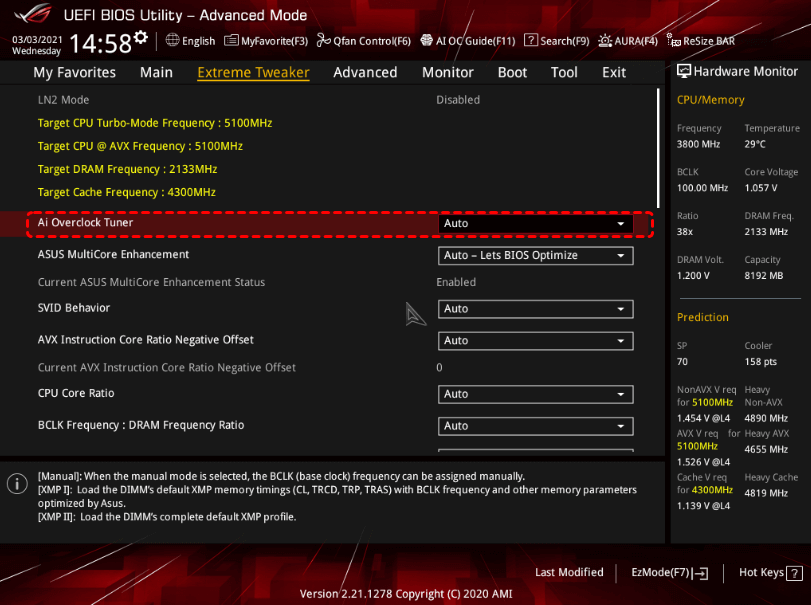
Step 3: Set CPU frequency, voltage, and RAM speed to Auto or default values. This removes unstable custom settings that may trigger BSODs.
Press F10 to save changes and restart your PC. Windows will now run with default stable settings, reducing the risk of RTKVHD64.sys crashes.
Solution 9: Perform a System Restore
If you have created system restore points, it is a good idea to perform a System Restore to a point before the RTKVHD64.sys blue screen occurred.
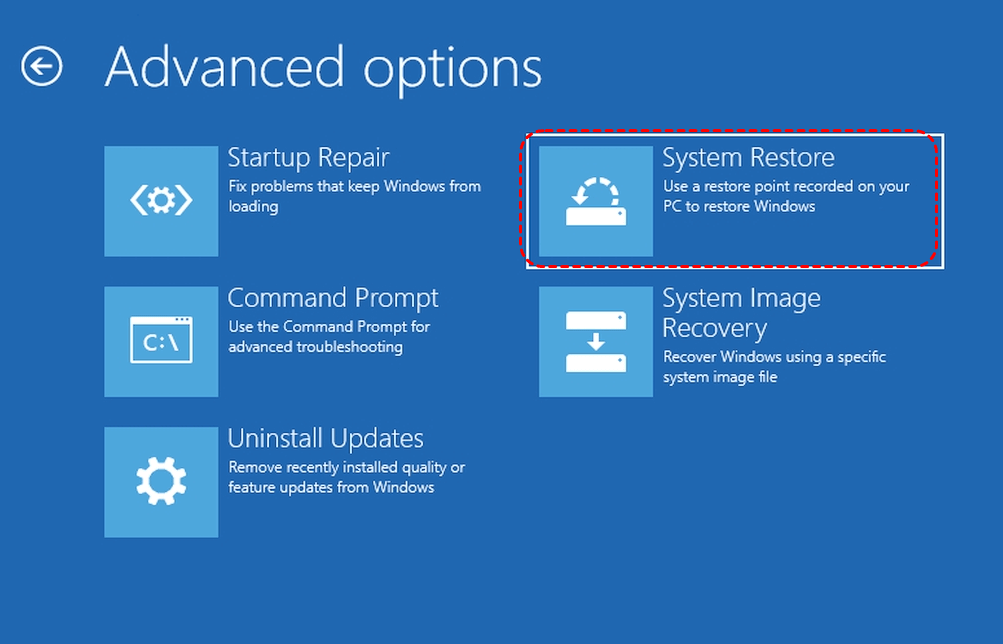
Step 1: In WinRE, go to: "Troubleshoot → Advanced options → System Restore".
Step 2: Select a restore point dated before the BSOD started happening, and follow the on-screen instructions to restore your system.
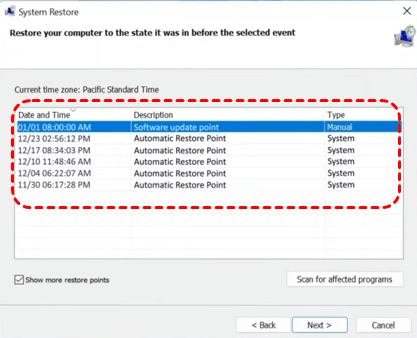
After the restore completes, Windows will restart normally. Verify if the RTKVHD64.sys blue screen issue is resolved.
Solution 10: Reinstall Windows
As a last resort, reinstalling Windows can resolve persistent "rtkvhd64.sys blue screen Windows 10/11"errors.
Step 1: Recover Important Files
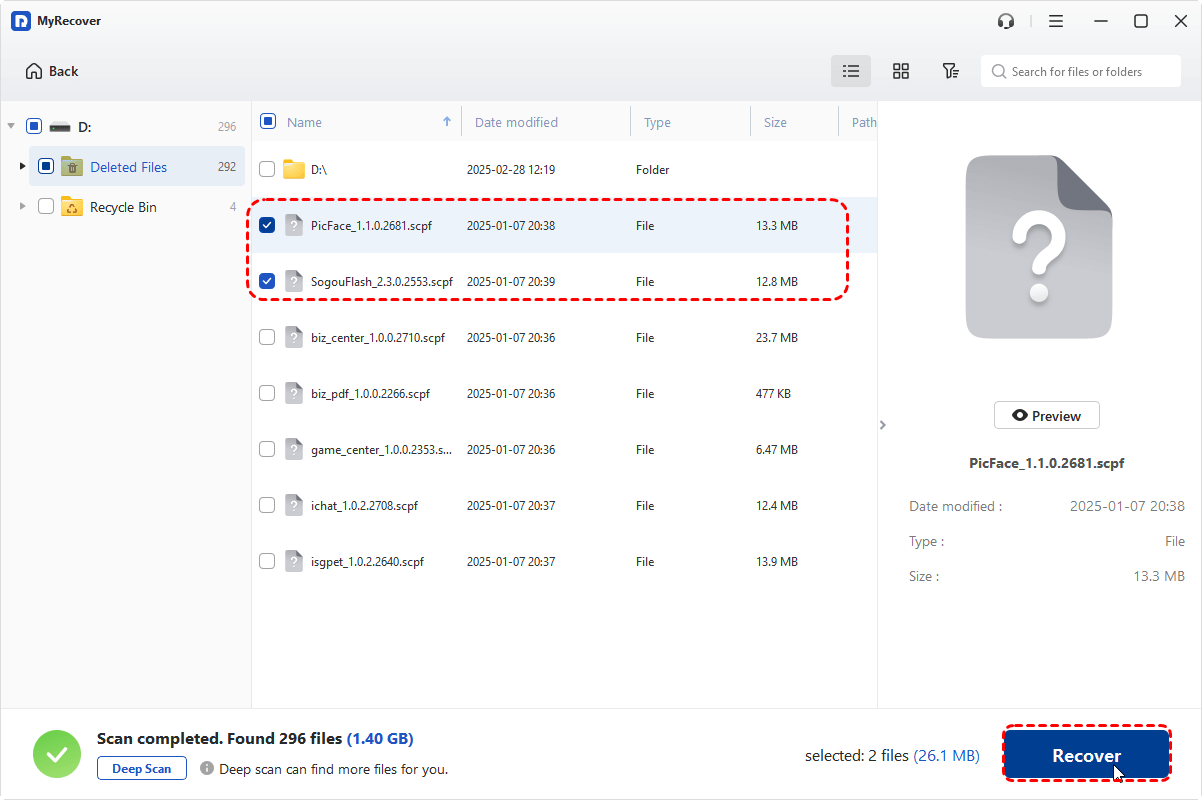
Recover all critical personal files from the system drive and move them to another safe location for a backup.This ensures no data is lost during the clean installation process. To restore files from unbootable computer, MyRecover is an excellent option.
 MyRecover
- High Recovery Success Rate: AI-powered algorithms and deep scanning technology to achieve a 99% success rate.
- 3-Step Recovery Process: Scan → Preview → Recover, suitable for both technical and non-technical users.
- File Preview Before Recovery: View lost files before recovery to ensure only needed files are restored.
- 500+ Devices Supported: SSD, HDD, USB Flash Drive, SD Sard, etc.
- 1000+ File Formats Supported: PNG, MP4, MP3, TXT, ZIP, MSG, etc.
- 500+ Data Loss Scenarios: Deletion, Format, System Crash, Virus Attack, etc.
 100% Secure
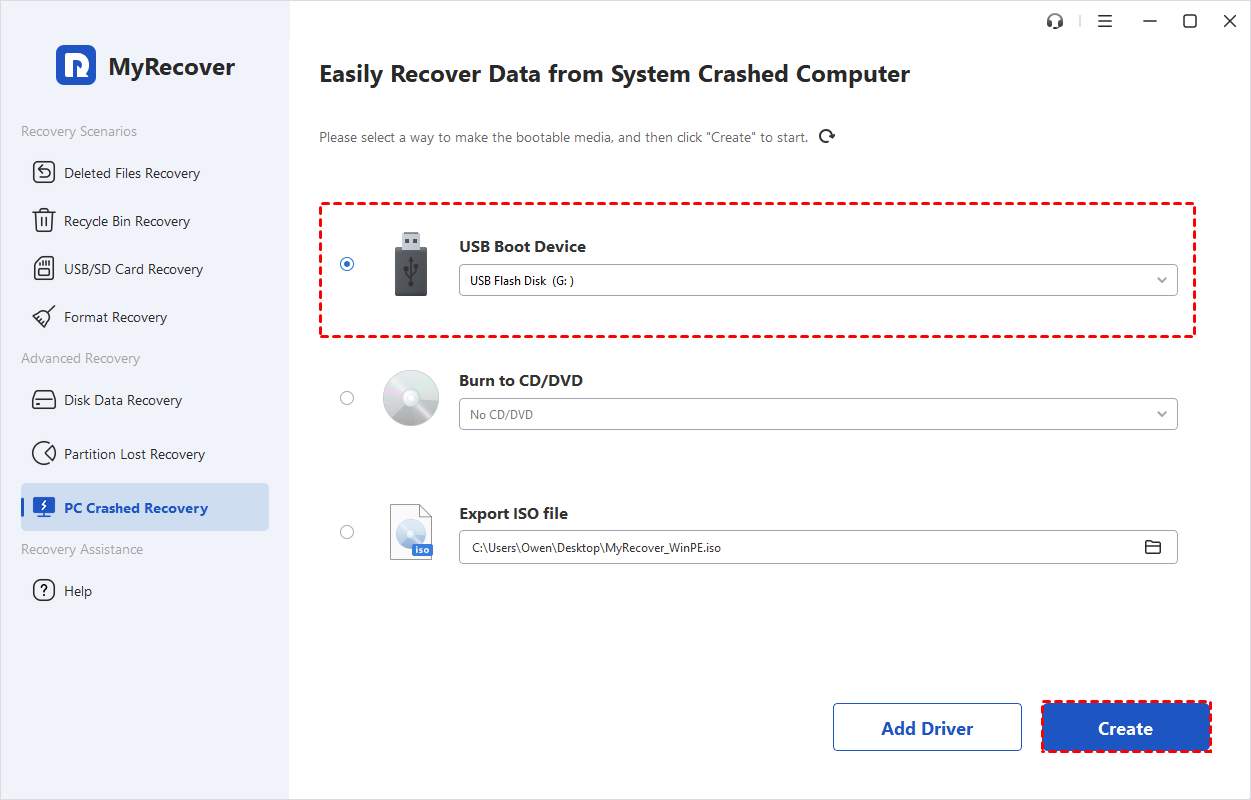
With MyRecover, you can create a bootable media with the software pre-installed, boot your computer from it to access the main interface directly, and then scan the target drive to locate and recover all your files.
Step 2: Create Windows Installation Media
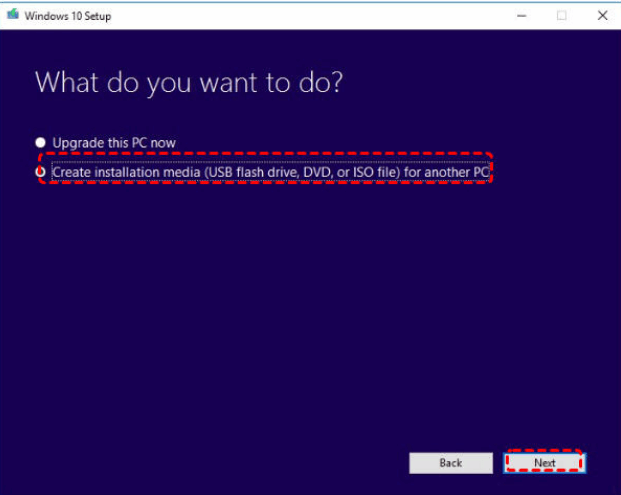
Use another PC to download the Windows 10/11 Media Creation Tool from Microsoft.

Create a bootable USB drive with the Windows installation files.
Step 3: Boot from the USB Drive
Insert the USB drive and restart your PC.Press the BIOS key (usually F2, F10, Del, or Esc) and set the USB drive as the primary boot device.
Step 4: Reinstall Windows
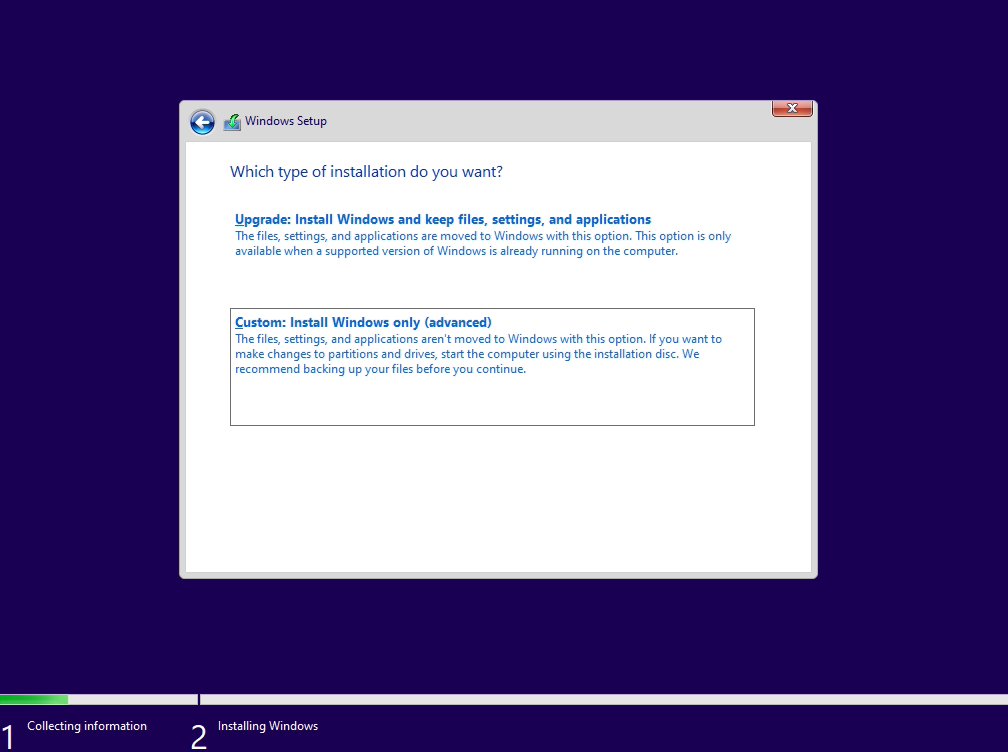
Follow the on-screen instructions and choose Custom: Install Windows only (advanced). Delete the old Windows partition (optional for a fully clean install) and install Windows on the primary drive.
After Windows is installed, reinstall necessary drivers, especially the Realtek audio driver, to prevent RTKVHD64.sys issues.And move back your personal files from the backup.
FAQs About Blue Screen of Death (BSOD)
Q 1: How Do I Bypass The Blue Screen Of Death?
A: You cannot simply "bypass"a BSOD, as it indicates a critical system error. However, you can troubleshoot by booting into Safe Mode, updating or reinstalling drivers, running system file checks, etc.
Q 2: Will Resetting My PC Fix The Blue Screen Of Death?
A: Resetting your PC can fix many BSOD issues, especially those caused by corrupted system files or software conflicts. You can choose to "keep your files"or "remove everything"for a clean installation.
Q 3: Is The Blue Screen Of Death Permanent?
A: No, a BSOD is not permanent. It usually occurs due to a software, driver, or hardware problem and can often be resolved with proper troubleshooting steps.
Q 4: Can A PC Recover From A Blue Screen?
A: Yes. After a BSOD, Windows will typically restart automatically. You can then use the above troubleshooting methods to prevent it from happening again.
Q 5: Can Resetting The BIOS Fix A Blue Screen?
A: Yes, resetting BIOS/UEFI to default settings can resolve BSODs caused by unstable system configurations or overclocking. It ensures a stable hardware environment for Windows and drivers.
Final Thoughts
The "RTKVHD64.sys blue screen"is a common BSOD issue on Windows. When it occurs, you can try the step-by-step solutions outlined above. Remember, most "RTKVHD64.sys blue screen Windows 10/11"issues are not permanent and can be fixed with proper troubleshooting.
If necessary, it is also recommended to have a reliable data recovery tool, such as MyRecover, ready to safeguard and restore your important files without backup.

Stay Updated With Our
Latest Tips
Add us as a preferred source on Google to never miss helpful guides.
 Add as preferred source >>